

Pancake Optical Module in Compact VR Headsets
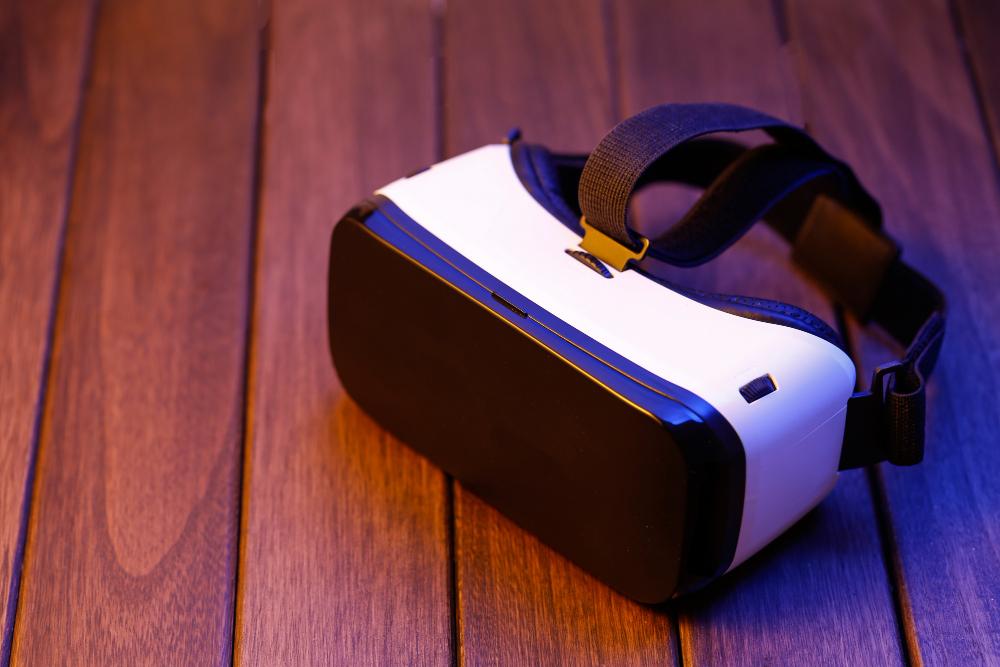
Pancake optical module technology is becoming a major innovation in virtual reality (VR) headsets. It helps reduce device thickness while maintaining sharp image quality, making VR headsets lighter, more compact, and more comfortable for long-term use.
As VR hardware evolves, manufacturers are shifting towards advanced optical designs that improve visual clarity without increasing headset bulk. The pancake optical module uses folded light paths and polarized optics to achieve high-resolution imagery in compact wearable devices.
In this article, I will explain how pancake optical modules work, their structure, benefits, applications, limitations, and future trends in VR and mixed reality systems.
What Is a Pancake Optical Module?
A pancake optical module is a compact optical system used in VR headsets to project images from a micro display into the user's eyes using multiple reflections and polarized light paths. The design significantly reduces optical path length while maintaining image clarity.
The term "pancake" comes from the way light is folded repeatedly between lenses and reflective surfaces, creating a thin and space-efficient optical assembly. This allows VR headsets to be much slimmer compared to traditional Fresnel lens systems.
Pancake optical modules are widely used in modern VR devices where lightweight design and high visual fidelity are both essential requirements.
How Pancake Optical Module Works
The pancake optical module works by using polarized light, reflective lenses, and multiple optical layers to compress the light path. Light from a micro display is first polarized, then reflected between lens surfaces before reaching the user’s eye.
This folded optical path allows the system to maintain a short physical distance while simulating a longer virtual optical distance. As a result, users experience sharp, immersive visuals in a compact headset design.
Advanced coatings and polarization filters help reduce light loss and improve image contrast, making the visuals clearer and more realistic.
Key Components of Pancake Optical Module
Micro Display Panel
The micro display generates high-resolution images that are projected into the optical system.
Polarized Lenses
Polarized lenses control light direction and reduce unwanted reflections inside the optical path.
Reflective Optical Layers
These layers bounce light between surfaces to create a folded optical structure.
Wave Retarder Film
This film helps maintain polarization states for better image clarity and contrast.
Optical Housing Structure
The housing ensures precise alignment and stability of all optical components.
Advantages of Pancake Optical Module
Ultra-Thin VR Design
Pancake optics significantly reduce headset thickness, making VR devices more compact and wearable.
High Image Sharpness
These modules deliver improved clarity with reduced distortion and better edge-to-edge focus.
Better Immersion Experience
Short optical distance combined with high resolution improves immersive VR experiences.
Lightweight Headset Structure
Reduced optical path length allows manufacturers to design lighter headsets.
Improved Visual Contrast
Polarization-based optics enhance contrast and reduce light leakage.
Pancake Optical Module in VR Headsets
Pancake optical modules are widely used in modern VR headsets where compact design and high visual quality are essential. They allow manufacturers to reduce headset bulk without sacrificing image performance.
These systems are commonly found in premium VR devices used for gaming, simulation training, and professional visualization applications. Their ability to maintain high resolution in a small form factor makes them ideal for next-generation VR hardware.
Applications of Pancake Optical Module Technology
Virtual Reality Gaming
VR gaming systems use pancake optics to deliver immersive and comfortable gameplay experiences.
Training and Simulation
Flight simulators, military training, and industrial simulations rely on compact VR systems with pancake optical modules.
Medical Visualization
Medical professionals use VR systems for imaging, surgical planning, and 3D visualization.
Engineering and Design
Engineers use VR headsets with pancake optics for 3D modeling and product design visualization.
Entertainment and Metaverse Platforms
Metaverse applications use lightweight VR devices powered by pancake optical technology.
Pancake Optical Module vs Fresnel Lens Systems
Traditional Fresnel lens systems are widely used in older VR headsets, but they often create larger and heavier designs.
Pancake optical modules solve this issue by folding the optical path using polarization and reflective surfaces. This allows for thinner headsets with improved visual quality.
However, pancake systems may introduce slightly higher production complexity and cost compared to Fresnel lens solutions.
Challenges in Pancake Optical Module Design
One of the main challenges is light efficiency. Multiple reflections inside the optical system can lead to some brightness loss.
Manufacturing complexity is another issue, as precise alignment of optical layers is required for optimal performance.
Heat management and durability of polarization films are also important factors that affect long-term reliability.
Future Trends in Pancake Optical Technology
The future of pancake optical modules is closely linked to the growth of lightweight VR and mixed reality devices. Manufacturers are working on improving brightness efficiency and reducing production costs.
New materials and advanced coatings are being developed to enhance light transmission and reduce reflection losses.
As VR adoption increases across gaming, education, and enterprise applications, pancake optical modules will become a standard solution for compact immersive devices.
Conclusion
Pancake optical module technology is transforming VR headset design by enabling thin, lightweight, and high-performance visual systems. It offers improved image clarity, better immersion, and a compact structure compared to traditional optical solutions.
As virtual reality continues to expand, pancake optical modules will play a key role in shaping next-generation wearable display devices. Their balance of performance and compactness makes them ideal for future VR and mixed reality applications.
- הפינה המשפטית
- ביטחון, אבטחה ומודיעין
- אבטחת אישים
- אבטחת מידע וסייבר
- רישוי עסקים
- אירועים תחת כיפת השמיים
- אבטחת מתקנים ואתרים
- מעברי גבול ו תעופה
- בתי ספר להכשרת ומכללות ביטחון
- כלי ירייה מטויחים וחנויות נשק
- אבטחה בתחבורה
- מנב"טים קב"טים קמעונאיים
- אחר
- הגנת הפרטיות
- מודיעין עסקי וארגוני
- פרשנות
- סיקורים
- רחפנים
- גילוי דעת
- כתבות
- מיומנו של קב"ט / מנב"ט

 English