

How to Choose the Right Commercial Kitchen Equipment for Your Restaurant
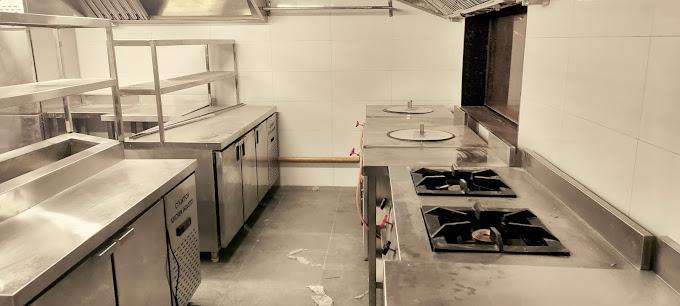
Opening or upgrading a restaurant kitchen is one of the biggest investments you'll make in your business — and one of the easiest places to overspend or underprepare. The right equipment keeps your kitchen running efficiently, your food quality consistent, and your staff safe. The wrong choices can mean wasted capital, cramped workflows, and costly repairs down the line.
Here's a practical guide to help you make smart, budget-conscious decisions when equipping your commercial kitchen.
1. Start With Your Menu, Not the Showroom
It's tempting to walk into a supplier's showroom and get excited about shiny new equipment. But your menu should drive every purchasing decision, not the other way around.
Break down your menu item by item and ask:
- What cooking methods does each dish require (grilling, frying, baking, steaming)?
- What volume will you be producing during peak hours?
- Are there signature dishes that need specialized equipment?
A pizza restaurant needs a completely different setup than a sushi bar or a bakery. Buying equipment before finalizing your menu often leads to gear that sits unused or, worse, missing equipment you desperately need.
2. Understand the Difference Between Essential and Nice-to-Have
Every kitchen needs core equipment: ranges, ovens, refrigeration, prep tables, and a ventilation system. Beyond that, everything else should be evaluated based on actual necessity.
Essential categories to budget for first:
- Cooking equipment (ranges, ovens, fryers, grills)
- Refrigeration (walk-ins, reach-ins, prep coolers)
- Food prep equipment (mixers, slicers, prep tables)
- Ventilation and exhaust systems
- Dishwashing and sanitation equipment
Often nice-to-have, not essential:
- Specialty equipment for a single seasonal item
- High-end brands when mid-range options perform just as well
- Backup units before you know your actual failure rates
Prioritizing essentials first prevents you from blowing your budget on equipment that only supports a small fraction of your menu.
3. New vs. Used: Weigh the Trade-offs Honestly
Buying used commercial kitchen equipment can cut costs significantly, sometimes by 50% or more. But it's not automatically the smarter choice.
Consider used equipment when:
- You're opening on a tight budget
- The equipment is a standard, well-reviewed model with available parts
- You can inspect it in person or get service records
- It comes with some form of warranty or return policy
Consider new equipment when:
- You need energy-efficient models to reduce long-term utility costs
- The equipment will run at high volume daily (used equipment may be near end-of-life)
- Manufacturer warranties and service support matter to your risk tolerance
- Local health codes require certified, up-to-date equipment
A hybrid approach works well for many restaurants: buy new for your workhorse equipment (the range or fryer you'll use every service) and consider used for secondary or backup pieces.
4. Don't Underestimate Refrigeration Needs
Refrigeration failures are among the most costly problems a restaurant can face, leading to spoiled inventory and potential health code violations. Undersizing your refrigeration to save money upfront is one of the most common — and expensive — mistakes new restaurant owners make.
When choosing refrigeration:
- Calculate your storage needs based on delivery frequency, not just current inventory
- Factor in growth; buying a walk-in that's "just enough" today may be too small in a year
- Consider energy efficiency ratings, since refrigeration often accounts for a significant share of a kitchen's electricity use
- Plan for redundancy on critical units where possible
5. Think About Kitchen Workflow, Not Just Individual Equipment
Equipment doesn't operate in isolation — it needs to fit into a logical workflow. Poor kitchen layout is one of the top reasons restaurants struggle with speed and consistency during rush hours.
Before finalizing purchases, map out your kitchen's workflow:
- Receiving → storage → prep → cooking → plating → service → dishwashing
Equipment should be positioned (and sized) to support this flow without bottlenecks. A powerful range is wasted if it's crammed into a corner far from your prep station, forcing staff to walk back and forth constantly.
6. Factor in Local Health Codes and Certifications
Every piece of commercial kitchen equipment should meet relevant safety and sanitation standards. Look for certifications such as:
- NSF (National Sanitation Foundation) — required in most jurisdictions for food-contact equipment
- UL (Underwriters Laboratories) — for electrical safety
- Energy Star — not required, but valuable for reducing operating costs
Check with your local health department before purchasing, especially for used equipment, since some jurisdictions have strict requirements about certification and equipment age.
7. Calculate Total Cost of Ownership, Not Just Purchase Price
The sticker price is only part of the equation. When comparing options, factor in:
- Energy consumption — a cheaper unit with poor energy efficiency can cost more over 5 years
- Maintenance requirements — some equipment needs frequent professional servicing
- Expected lifespan — cheaper units often need replacing sooner
- Availability of replacement parts — obscure brands can mean long repair delays
- Warranty coverage — a strong warranty can offset a higher upfront cost
A slightly more expensive piece of equipment with lower operating costs and a longer lifespan is often the better financial decision.
8. Plan for Space Constraints Realistically
Measure twice, buy once. Before purchasing anything, get exact measurements of your kitchen space, including:
- Doorway widths (can the equipment even get inside?)
- Ceiling height and ventilation hood clearance
- Utility hookup locations (gas lines, electrical outlets, water lines, floor drains)
- Required clearance space for ventilation, cleaning, and staff movement
Many restaurant owners fall in love with a piece of equipment only to discover it doesn't fit through the kitchen door or requires utility work that blows the budget.
9. Work With Reputable Suppliers
Choose suppliers who understand the foodservice industry, not just general equipment sellers. A good supplier will:
- Help you right-size equipment based on your actual menu and volume
- Offer installation and training support
- Provide clear warranty and service information
- Have a track record of servicing restaurants like yours
Ask other restaurant owners in your area for supplier recommendations — word-of-mouth reputation matters a great deal in this industry.
10. Don't Forget Smallwares and Backup Plans
Large equipment gets the spotlight, but smallwares (pans, utensils, storage containers, cutting boards) add up quickly and are essential to daily operations. Budget for these separately, and always plan for basic redundancy on high-use items so a single breakage doesn't halt service.
Final Thoughts
Choosing commercial kitchen equipment is a balancing act between budget, menu requirements, space constraints, and long-term operating costs. Take the time to plan carefully, consult with your kitchen staff about workflow needs, and resist the urge to over-equip. A well-planned kitchen — built around what you actually cook and how you actually work — will serve your restaurant far better than one built on impulse purchases and showroom excitement.
- הפינה המשפטית
- ביטחון, אבטחה ומודיעין
- אבטחת אישים
- אבטחת מידע וסייבר
- רישוי עסקים
- אירועים תחת כיפת השמיים
- אבטחת מתקנים ואתרים
- מעברי גבול ו תעופה
- בתי ספר להכשרת ומכללות ביטחון
- כלי ירייה מטויחים וחנויות נשק
- אבטחה בתחבורה
- מנב"טים קב"טים קמעונאיים
- אחר
- הגנת הפרטיות
- מודיעין עסקי וארגוני
- פרשנות
- סיקורים
- רחפנים
- גילוי דעת
- כתבות
- מיומנו של קב"ט / מנב"ט

 English