
Nasha Mukti Kendra vs Rehabilitation Centre: Key Differences
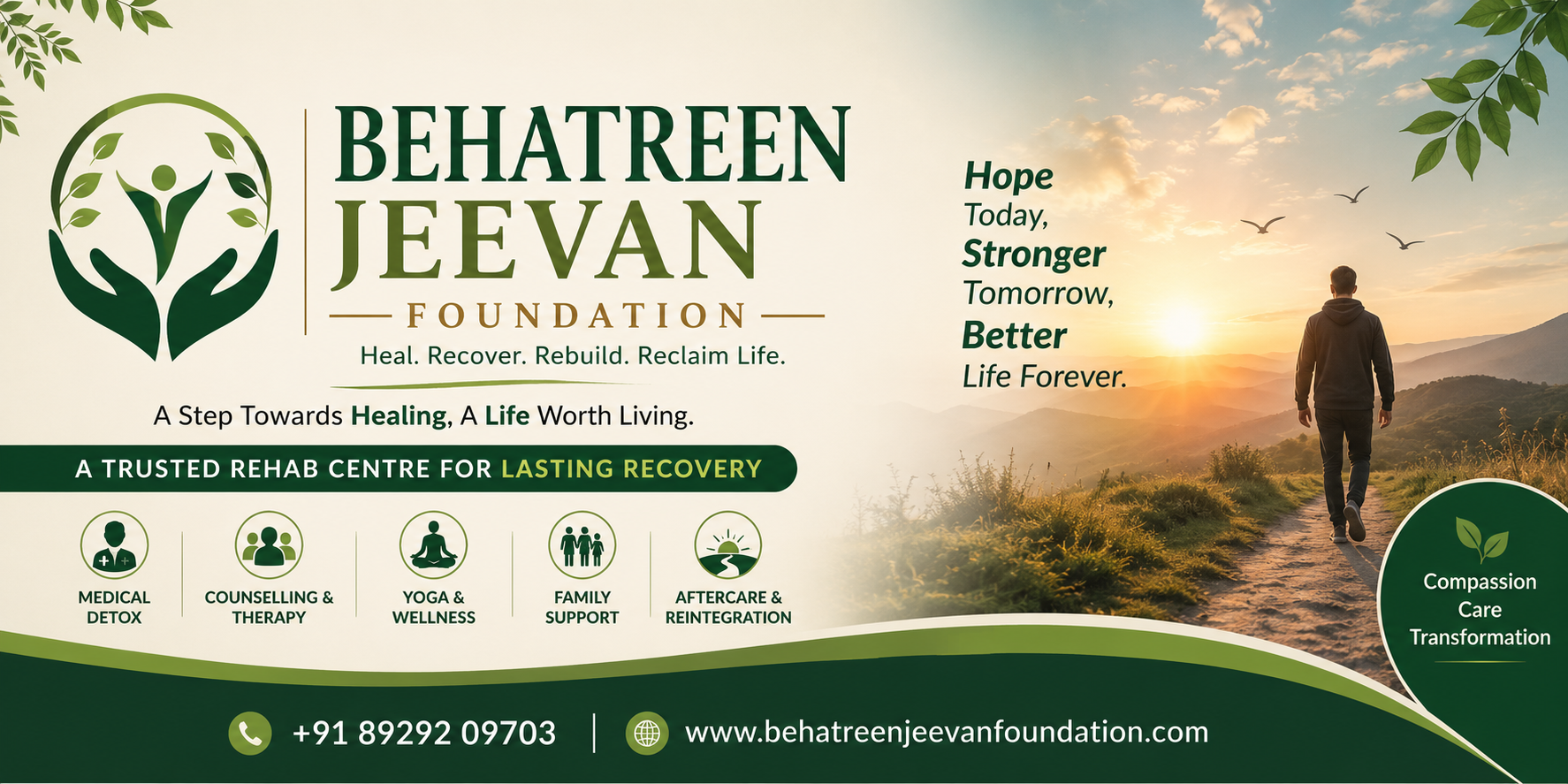
Nasha Mukti Kendra vs Rehabilitation Centre: Key Differences
When a family first starts looking for help with a loved one's addiction, one of the earliest points of confusion is language. Should you search for a local de-addiction centre, or are you actually looking for a "rehabilitation centre"? Are these two different kinds of places, or just two names for the same thing? It's a small question on the surface, but the answer can shape how a family understands the recovery journey ahead of them.
The truth is, both terms describe places built around the same goal: helping someone break free from addiction and rebuild a healthier life. But the words carry different histories, different cultural weight, and sometimes different expectations about what happens inside.
What Does "Nasha Mukti Kendra" Actually Mean?
Nasha Mukti Kendra is a Hindi term that translates roughly to "addiction-freedom centre." It's the phrase most commonly used across North India, especially in Delhi, Uttar Pradesh, and Haryana. The term has a certain warmth to it — it doesn't sound clinical or distant. For many families, especially those who feel unsure about seeking help, it feels approachable, something spoken about in the community or by a neighbour who's been through something similar.
Because the phrase is so widely understood locally, most Indian de-addiction centres use it as their primary identity. It signals that the centre understands local context — the language patients speak, the family dynamics involved, and the specific substances most commonly misused in the region.
What Does "Rehabilitation Centre" Mean?
When people search for a rehabilitation centre in the context of addiction, they're usually looking for a structured, medically supervised substance abuse treatment programme, often influenced by Western models of care.
In practice, such a centre often emphasizes documented treatment protocols, licensed medical staff, psychological assessments, and measurable recovery milestones. It's the term you'll see used more often in metro cities, or in centres affiliated with hospitals and larger healthcare networks.
The Real Differences That Matter
1. Language and Comfort
This is the most immediate difference. A local de-addiction centre, by name alone, tells a family this is a space where Hindi is spoken naturally, where the approach will feel culturally familiar, and where the staff understand local family pressures — community judgment, financial constraints, and extended-family expectations. A more clinically branded centre, especially one modeled on international standards, might use more English-language documentation and formal clinical language, which can feel less personal to some families, though not necessarily less effective.
2. Treatment Philosophy
Many centres in this tradition combine medical detoxification with spiritual and community-based recovery methods — yoga, meditation, and group counselling rooted in shared cultural values. Rehabilitation centres, particularly larger ones, tend to lean more heavily on structured clinical protocols: cognitive behavioural therapy, individualized psychiatric evaluation, and evidence-based treatment plans documented at every stage.
Neither approach is inherently better. A lot depends on what the patient personally connects with. Some people respond better to a familiar, community-rooted environment; others need the structure of a highly clinical setting.
3. Scope of Services
A centre focused purely on local addiction recovery typically limits itself to alcohol, drugs, and sometimes prescription medication dependency. A broader rehabilitation centre might offer a wider net of services, sometimes including support for behavioural addictions, co-occurring mental health conditions, or even physical rehabilitation unrelated to substance use. If a patient has complex, overlapping health needs, a full-service facility might be the more appropriate choice.
4. Staffing and Credentials
This varies enormously from one centre to another, regardless of what it calls itself. Some are run by highly qualified doctors and trained counsellors; others are smaller, community-run operations with limited medical staff. The same variation exists among centres using more clinical branding. The name alone is not a reliable indicator of quality — what matters is checking the qualifications of the doctors, counsellors, and support staff directly.
5. Family Involvement
Traditionally, this kind of Nasha Mukti Kendra places heavy emphasis on family counselling throughout treatment, recognizing that in Indian households, recovery is rarely just an individual journey — it's a family one. More clinically oriented centres may also offer family therapy, but the intensity and cultural framing of that involvement can differ depending on the centre's model.
So Which One Should You Choose?
Honestly, don't get too caught up in the label. What matters far more than the name on the signboard is:
-
Whether the centre has qualified, licensed medical professionals
-
Whether they offer a proper, medically supervised detox process
-
Whether counselling and aftercare support are genuinely part of the programme, not just an afterthought
-
Whether the environment feels safe, respectful, and suited to the patient's comfort and background
-
Whether the centre is transparent about its treatment process and willing to answer your questions honestly
A good local recovery centre and a good clinical rehabilitation facility can achieve the exact same outcome — a safe, supported path to sobriety. The best approach is to visit in person if you can, ask direct questions about staff qualifications and daily treatment structure, and trust your own sense of whether the place feels right for your loved one.
Final Thoughts
Addiction recovery is never just about a building or a name — it's about the people inside it, the quality of care they provide, and whether a patient feels genuinely supported through one of the hardest chapters of their life. Whether you call it a Nasha Mukti Kendra or a rehabilitation centre, what your family truly needs is a place built on honesty, medical competence, and compassion. That's the real difference worth looking for.
- הפינה המשפטית
- ביטחון, אבטחה ומודיעין
- אבטחת אישים
- אבטחת מידע וסייבר
- רישוי עסקים
- אירועים תחת כיפת השמיים
- אבטחת מתקנים ואתרים
- מעברי גבול ו תעופה
- בתי ספר להכשרת ומכללות ביטחון
- כלי ירייה מטויחים וחנויות נשק
- אבטחה בתחבורה
- מנב"טים קב"טים קמעונאיים
- אחר
- הגנת הפרטיות
- מודיעין עסקי וארגוני
- פרשנות
- סיקורים
- רחפנים
- גילוי דעת
- כתבות
- מיומנו של קב"ט / מנב"ט

 English