

Complete Guide to Utilizing Bare Aluminum Wire for Modern Overhead Power Distribution Networks
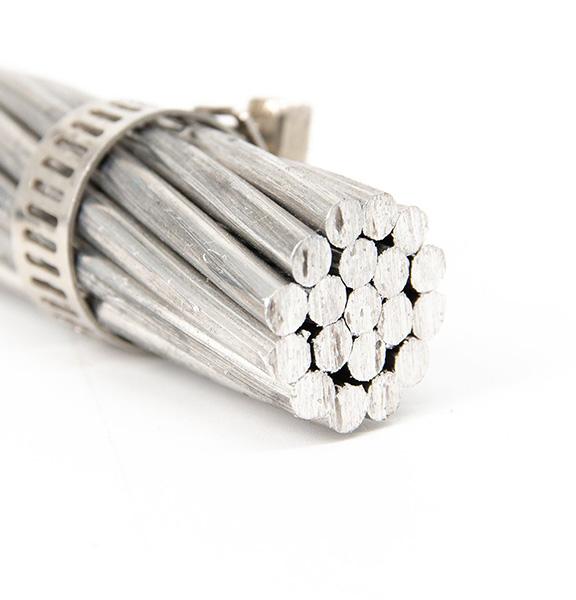
The continuous expansion and modernization of global electrical grids demand highly dependable, efficient, and resource-effective electrical transmission components. Among the diverse array of materials utilized in utility infrastructure, bare aluminum wire plays a foundational role in shaping reliable overhead distribution grids. Because electrical networks must balance economic viability with technical excellence, utility operators, engineers, and project developers consistently rely on high-purity aluminum components to carry electrical currents across urban landscapes, suburban neighborhoods, and localized industrial zones. The systematic implementation of bare aluminum wire helps minimize line losses, streamline physical installation procedures, and optimize long-term operational expenditures across power networks.
To fully comprehend the structural significance of these power components, one must examine how raw metal is transformed into high-grade electrical elements. The manufacturing process begins with precision-drawn 1350-H19 aluminum material, renowned for providing an optimal balance of electrical conductivity and structural ductility. Individual strands of bare aluminum wire are drawn meticulously through specialized dies to achieve exact dimensional tolerances and standardized surface finishes. Once the individual wires reach the correct gauge, multiple strands are concentrically wound together to form a cohesive stranded conductor configuration. This multi-wire layout ensures that the resulting transmission line possesses sufficient flexibility to withstand dynamic environmental loads, such as shifting winds and varying thermal expansions, without fracturing or degrading over extended periods of service.
In practical engineering applications, configurations built from bare aluminum wire are predominantly deployed as All Aluminum Conductors, commonly referred to in utility sectors as AAC cables. Unlike composite lines that incorporate steel reinforcing cores for heavy-duty, ultra-long spans, pure aluminum configurations rely exclusively on homogeneous metal construction. This design choice yields a remarkably high strength-to-weight ratio relative to older copper alternatives. Because the overall weight of the line is significantly reduced, the mechanical burden placed on supporting utility poles, crossarms, and fastening hardware drops substantially. Consequently, installation crews can transport, lift, and tension these lines with greater efficiency, reducing labor hours and lowering total project deployment expenses.
The performance characteristics of a high-quality electrical conductor are fundamentally tied to its electrical conductivity and resistance properties. High-purity bare aluminum wire offers remarkable electrical performance, typically achieving high International Annealed Copper Standard (IACS) conductivity metrics. This efficient electrical transfer capability ensures that power flowing from substations to local transformers experiences minimal resistive loss. Furthermore, when utility planners evaluate voltage drop over specific distribution distances, selecting the appropriate cross-sectional area of bare aluminum wire allows them to maintain operational voltage stability well within acceptable regulatory thresholds. This precise sizing prevents excessive thermal buildup, protecting the integrity of the network even during peak electrical demand cycles.
Environmental durability represents another critical factor in the widespread adoption of aluminum-based power lines. When exposed to ambient atmospheric conditions, aluminum naturally forms a thin, tightly adherent protective oxide film on its outer surface. This passive layer guards the underlying metal against progressive atmospheric oxidation and chemical degradation, rendering bare aluminum wire exceptionally resilient in urban centers and coastal regions where airborne pollutants or moisture might otherwise accelerate corrosion. Because the material possesses inherent corrosion-resistant properties without requiring heavy external protective jackets, maintenance requirements remain minimal throughout the multi-decade lifecycle of the electrical line.
The integration of bare aluminum wire extends deeply into diverse operational sectors, including municipal power distribution, rural electrification projects, and localized commercial microgrids. In municipal environments where electrical loads are distributed densely over relatively short spans, these conductors deliver optimal current-carrying capacity while preserving visual and structural simplicity overhead. Similarly, in agricultural and regional development projects, the cost-effective nature of the material enables electrical cooperatives to extend grid coverage to remote communities without exceeding strict budgetary constraints. The adaptability of the product allows it to interface seamlessly with standard utility hardware, standard insulators, and conventional stringing accessories used by electrical contractors globally.
Safety compliance and adherence to rigorous international standards remain paramount during the procurement and deployment of electrical network components. Reputable manufacturing protocols ensure that every batch of bare aluminum wire conforms strictly to recognized industry benchmarks, such as relevant ASTM, IEC, BS, and DIN specifications. Rigorous testing procedures evaluate parameters such as tensile breaking strength, elongation percentage, direct current resistance at standard temperatures, and overall dimensional uniformity. By enforcing strict quality assurance standards, project managers can trust that the installed lines will perform predictably under fluctuating thermal loads and demanding weather events.
Proper handling and stringing techniques are essential to preserve the structural health of the conductor during installation. Because pure aluminum has a softer consistency compared to steel or hardened copper alloys, field technicians must utilize specialized stringing blocks, tensioners, and pulling grips designed specifically to prevent surface scoring, bird-caging, or localized crushing of the outer wire layers. Maintaining appropriate sag and tension parameters during installation protects the line against excessive mechanical stress caused by ice accumulation or high-velocity wind gusts. Adhering to manufacturer-recommended stringing charts ensures that the conductor achieves its maximum expected service life while maintaining optimal clearance distances above ground and obstacles.
As global energy infrastructure continues to evolve toward smarter, greener, and more efficient grid designs, the role of foundational materials remains steadfast. The integration of renewable energy sources, localized solar farms, and wind generation facilities into existing distribution loops requires extensive wiring solutions capable of moving power reliably from generation points to consumer nodes. Bare aluminum wire continues to serve as an economical backbone for these modernizations, providing the high conductivity and environmental resilience necessary to support growing electrification demands across diverse geographic terrains.
Final Thoughts
The strategic utilization of bare aluminum wire remains a cornerstone of efficient electrical grid design and overhead power distribution. By combining high electrical conductivity, lightweight physical properties, excellent atmospheric corrosion resistance, and strict adherence to international manufacturing standards, these conductors offer a dependable pathway for modern power transmission. Utility planners and electrical contractors who prioritize high-grade aluminum materials ensure long-term system reliability, lower installation complexity, and sustainable energy delivery across contemporary electrical networks.
- הפינה המשפטית
- ביטחון, אבטחה ומודיעין
- אבטחת אישים
- אבטחת מידע וסייבר
- רישוי עסקים
- אירועים תחת כיפת השמיים
- אבטחת מתקנים ואתרים
- מעברי גבול ו תעופה
- בתי ספר להכשרת ומכללות ביטחון
- כלי ירייה מטויחים וחנויות נשק
- אבטחה בתחבורה
- מנב"טים קב"טים קמעונאיים
- אחר
- הגנת הפרטיות
- מודיעין עסקי וארגוני
- פרשנות
- סיקורים
- רחפנים
- גילוי דעת
- כתבות
- מיומנו של קב"ט / מנב"ט

 English