

Lighting Pop-Up Retail, Exhibitions and Temporary Commercial Installations
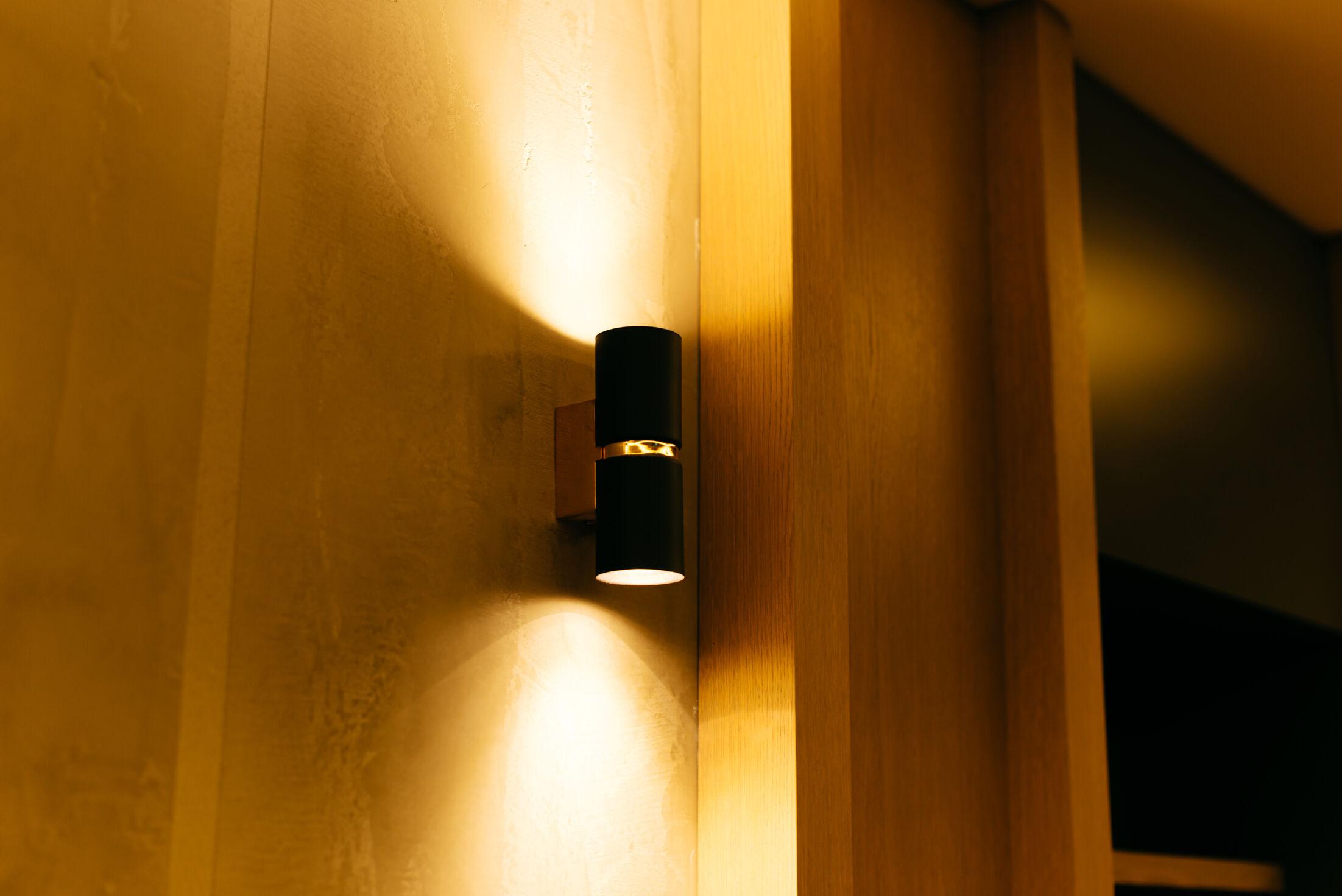
In 2026, project teams in Qatar are paying closer attention to how lighting supports a specific activity rather than selecting equipment from appearance alone. Readers comparing spot lights and commercial lighting need to connect product choices with real movement, viewing conditions and maintenance. This article focuses on temporary business environments that can change quickly while maintaining clear presentation, comfort and safe installation. It is written for retail designers, exhibition planners, venue operators, contractors and visual-merchandising teams and presents a practical framework that can be used from the first brief through commissioning and handover.
Why This Application Needs Its Own Lighting Brief
Pop-up shops and temporary exhibitions may operate for days or months, yet they still need professional presentation, adaptable layouts and reliable power. Merchandise, graphics, circulation and focal points can change several times during the installation. Speed can encourage improvised mounting, overloaded circuits, uncontrolled glare and equipment that cannot be reused. A visually striking opening scene may become difficult to adjust once stock, displays or visitor routes change. A useful design response therefore starts by observing the complete experience rather than copying a standard layout from another type of project.
The central principle is simple: Design a reusable kit of parts around likely changes. Every adjustable point should have a target, every connection should be protected and every operator should know how to reset the approved scenes. This approach gives the designer a clearer basis for deciding what should be bright, what should remain quiet and which surfaces or people must be visible. It also gives procurement teams better questions to ask, because every feature can be connected to a stated project need.
Five Planning Priorities for a Stronger Result
Choose mounting systems for the rate of change
A short campaign and a touring display do not justify the same level of permanent intervention. The mounting method should allow safe adjustment without damaging ceilings or venue finishes. Track-based, clamp-compatible and modular support systems can provide controlled flexibility where appropriate. Teams can reconfigure the presentation while keeping equipment orderly. The choice should be judged by the effect it creates in the real geometry, not by wattage, appearance or a single isolated specification.
During design and approval, confirm permitted fixing points, load limits and venue restrictions before the display design is finalized. This is particularly relevant to mall activations, galleries, launches and temporary showrooms. Review the condition from the positions people will actually occupy and include nearby materials, signs, furniture, planting or vehicles that could change the result. When a setting is approved, record the exact mounting, optical choice, accessory and control state so the site team has more than a general visual reference.
Give every adjustable beam a target
Flexible equipment becomes chaotic when installers receive only a reflected ceiling plan. A target schedule connects each point to a product, graphic, object or circulation function. Lockable adjustment and selected beam options help translate the schedule into a stable scene. The installation supports a clear visual hierarchy rather than general brightness. The choice should be judged by the effect it creates in the real geometry, not by wattage, appearance or a single isolated specification.
During design and approval, label targets on elevations and conduct final aiming only after merchandise and graphics are installed. This is particularly relevant to fashion displays, product launches and curated exhibitions. Review the condition from the positions people will actually occupy and include nearby materials, signs, furniture, planting or vehicles that could change the result. When a setting is approved, record the exact mounting, optical choice, accessory and control state so the site team has more than a general visual reference.
Coordinate power, control and cable appearance
Temporary installations often expose connections that permanent ceilings would conceal. Loose leads and improvised adapters can create safety, maintenance and visual problems. Planned distribution points, compatible connectors and simple grouped control keep the system manageable. The installation looks intentional and can be isolated or altered without confusion. The choice should be judged by the effect it creates in the real geometry, not by wattage, appearance or a single isolated specification. It also explains why spot lights and commercial lighting should be reviewed as connected parts of the same project decision.
During design and approval, prepare a connection diagram and inspect cable routes from visitor viewpoints before opening. This is particularly relevant to event halls, hotel activations and leased retail shells. Review the condition from the positions people will actually occupy and include nearby materials, signs, furniture, planting or vehicles that could change the result. When a setting is approved, record the exact mounting, optical choice, accessory and control state so the site team has more than a general visual reference.
Create scenes for trading and changeover
Customer hours, photography, restocking, cleaning and closed display periods require different balances. A single high-output scene can waste energy and make preparation work uncomfortable. Simple preset controls and separately grouped ambient, accent and graphic layers support each activity. Staff can change the environment without re-aiming the entire system. The choice should be judged by the effect it creates in the real geometry, not by wattage, appearance or a single isolated specification.
During design and approval, test every scene with the venue team and provide a physical control method even when app access is available. This is particularly relevant to seasonal retail, brand launches and rotating displays. Review the condition from the positions people will actually occupy and include nearby materials, signs, furniture, planting or vehicles that could change the result. When a setting is approved, record the exact mounting, optical choice, accessory and control state so the site team has more than a general visual reference.
Plan packing, transport and reuse
The value of a temporary kit depends on how well it survives removal, storage and the next installation. Unlabeled optics, mixed accessories and damaged finishes reduce future usefulness. Protective cases, component labels and a checked inventory support repeatable deployment. The investment continues to serve later campaigns instead of becoming single-use equipment. The choice should be judged by the effect it creates in the real geometry, not by wattage, appearance or a single isolated specification.
During design and approval, record each component, accessory, setting and condition during strike, then isolate damaged items before storage. This is particularly relevant to touring exhibitions, recurring events and multi-location campaigns. Review the condition from the positions people will actually occupy and include nearby materials, signs, furniture, planting or vehicles that could change the result. When a setting is approved, record the exact mounting, optical choice, accessory and control state so the site team has more than a general visual reference.
Create a Brief That Contractors and Operators Can Use
Start with a change scenario: what happens if a display moves, a graphic doubles in size or the venue requires a different route? Build the equipment, connection and control strategy so those likely changes can occur safely with limited specialist work. State the purpose of each lighting layer in a short sentence and connect it to a drawing or elevation. This makes later technical choices easier to compare and helps different disciplines understand why a position, beam or control group cannot be changed casually.
The brief should also define operating hours, likely scene changes, environmental exposure, access limits and the consequence of failure. List the information required with a quotation, including the offered configuration, distribution, driver, control method, mounting parts, protective accessories and warranty route. A complete request reduces hidden exclusions and makes value easier to judge across the installed package.
Review Products in Real Conditions
A reliable comparison of spot lights and commercial lighting uses one application-based checklist for every option. Review useful distribution, source visibility, color appearance, protection, mounting, controls, accessories and service access. An alternative should demonstrate the same complete outcome; a similar housing, nominal output or headline efficiency figure is not enough when optics, drivers and installation details differ.
Create one full-scale display bay using the final graphics, product finishes and background color. Test at viewing distance and through camera screens if photography matters. Record beam, accessory, output, position and scene so the successful setup can be repeated at another site. Examine the product both switched on and off. Check physical scale, finish, cable entry, adjustment, heat path, connection and the route for replacing a driver or other serviceable component. The approved sample should be documented carefully enough to serve as an installation standard rather than remaining an informal memory.
Coordinate Installation, Commissioning and Handover
Before first fix, coordinate architectural, electrical, structural, landscape and life-safety information as relevant to the application. A changed recess, bracket, wall build-up, control address or cable route can alter performance even when the visible fitting remains the same. Hold a short coordination review while corrections are still inexpensive and record all accepted deviations.
The operating guide should include a target map, connection diagram, permitted adjustments, scene instructions and daily visual checks. At removal, update the inventory and keep approved settings with the equipment rather than in a separate project folder that may not travel. Commissioning should include aiming, dimming, sensor response, schedules and failure behavior where applicable. Photograph final settings and verify them from normal user positions. Good records reduce downtime, protect the visual hierarchy and help future replacements remain consistent with the approved result.
Common Mistakes to Avoid
Common mistakes include assuming flexibility removes the need for planning, leaving beams without subjects, mixing incompatible track or control components and hiding connections behind movable displays. Another error is striking the installation without recording what worked. These problems are usually less expensive to prevent during a mock-up or coordination review than to correct after finishes, furnishings and operating routines are established.
Another common mistake is comparing products without confirming what the quotation includes. Drivers, brackets, tracks, connectors, shields, control components, supports and commissioning can materially change the delivered cost and program. The schedule should identify complete assemblies, while the change process should require every proposed substitute to be checked against the same application and maintenance criteria.
A Final Coordination Check
Bring together retail designers, exhibition planners, venue operators, contractors and visual-merchandising teams before procurement and review the latest drawings, approved sample, quotation, controls and access plan side by side. Confirm the objective of temporary business environments that can change quickly while maintaining clear presentation, comfort and safe installation, then check quantities, finishes, mounting parts, connection details, delivery sequence and commissioning responsibilities. Record each accepted change and issue one final schedule. This prevents separate teams from working from different assumptions and gives the installer and operator a shared reference.
Final Thoughts
When reviewing spot lights and commercial lighting , begin with the people, activity and physical conditions that define the task. Temporary does not have to mean improvised. A disciplined reusable system can support fast change, strong presentation and safer operation across many campaigns and venues. The most useful specification explains the intended effect, how it will be controlled and how it can be maintained after handover.
Before releasing an order, the project team should be able to explain what each fitting illuminates, why its distribution and mounting are suitable and which evidence supports approval. That clarity strengthens design quality, reduces avoidable changes and gives operators a system they can understand. It is the difference between purchasing individual products and delivering a coherent night-time environment.
- הפינה המשפטית
- ביטחון, אבטחה ומודיעין
- אבטחת אישים
- אבטחת מידע וסייבר
- רישוי עסקים
- אירועים תחת כיפת השמיים
- אבטחת מתקנים ואתרים
- מעברי גבול ו תעופה
- בתי ספר להכשרת ומכללות ביטחון
- כלי ירייה מטויחים וחנויות נשק
- אבטחה בתחבורה
- מנב"טים קב"טים קמעונאיים
- אחר
- הגנת הפרטיות
- מודיעין עסקי וארגוני
- פרשנות
- סיקורים
- רחפנים
- גילוי דעת
- כתבות
- מיומנו של קב"ט / מנב"ט

 English