

How Much Does an EICR in Camden Really Cost? The Honest Breakdown
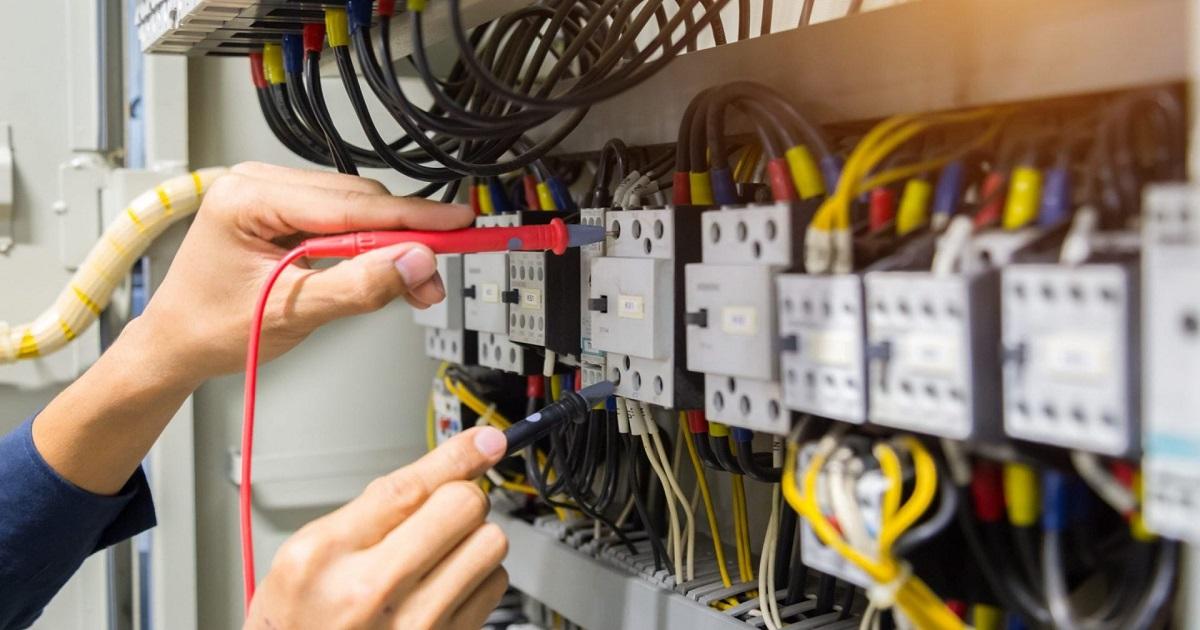
If you own or let a property in North London, you have probably searched for the price of an EICR in Camden and found figures that range from suspiciously cheap to eye-watering. The gap is real, and it is not all down to greed. Property size, circuit count, age of the wiring and the inspector's approach all shape the final bill.
This guide explains what you are paying for EICR in Camden, what pushes the price up or down, and how to avoid the traps that catch out busy landlords. It is based on typical UK market rates, so treat the figures as guides rather than fixed quotes.
What Is an EICR and Why Do Camden Landlords Need One?
An Electrical Installation Condition Report (EICR) is a formal assessment of the fixed electrical wiring in a property. A qualified electrician inspects and tests the consumer unit (fuse box), circuits, sockets, switches, lighting and earthing, then records any defects or safety concerns.
In England, the Electrical Safety Standards in the Private Rented Sector Regulations 2020 require landlords to:
-
Have the installation inspected and tested at least every five years
-
Give the tenant a copy of the report within 28 days
-
Supply a copy to the local authority within seven days if requested
-
Complete any required remedial work within 28 days (or sooner if the report specifies)
Local councils can issue penalties of up to £30,000 for breaches, so the report is not optional paperwork. Many mortgage lenders and insurers also ask to see a valid certificate.
Why the EICR Cost in Camden Differs From the Rest of the UK
Camden is not a typical UK postcode. Several local factors push inspection prices above the national average.
Older Housing Stock
Much of Camden's housing is Victorian, Edwardian or mid-century conversion stock. Older buildings often have mixed wiring generations, hidden junction boxes and outdated consumer units. Tracing circuits takes longer, so the inspection takes longer.
Converted Flats and Shared Supplies
Large townhouses split into several flats can have complicated metering and shared wiring. Identifying which circuit belongs to which unit is time-consuming and affects the price.
Parking, Congestion and Access
Central London overheads are real. Parking permits, congestion charging in some areas and difficult access in busy streets all feed into an electrician's pricing, even if the quote does not itemise them.
What Determines Your Electrical Safety Report Price?
Understanding the variables helps you spot a fair quote when you see one.
Number of Circuits
A fuse box with six circuits takes much less time to test than one with twenty. Most inspectors price by circuit count or by bedrooms as a proxy for it.
Property Size and Layout
More rooms means more sockets, switches and light fittings to check. Multiple floors, lofts and basements add time.
Condition of the Wiring
If the installation is well maintained and clearly labelled, testing is quick. Poor labelling, missing documentation or visible damage slows the process and raises the cost.
Additional Services Requested
Some landlords bundle extras such as PAT testing, smoke and carbon monoxide alarm checks or an EPC. Bundled bookings can be good value, but check what is actually included.
Hidden Costs Landlords Often Miss
The inspection fee is only part of the picture. Budget for the following.
Remedial Work
This is the biggest variable. If the report finds a C1 (danger present) or C2 (potentially dangerous) fault, or an FI (further investigation required), the result is "unsatisfactory". You then need repairs and a clean report before the property can be let with confidence.
Typical remedial costs in London include:
-
Replacing a consumer unit: £450 – £900
-
Adding RCD protection: £100 – £300
-
Fixing a faulty socket circuit: £80 – £250
-
Upgrading earth bonding: £60 – £200
Re-Testing Fees
Some firms charge for a revisit to confirm the repairs. Others include it. Ask before you book.
Cancellation and Access Charges
If a tenant is not home or the inspector cannot get into a locked room, you may be charged a wasted-visit fee. Tell your tenant in advance, and give clear access instructions.
How to Get a Fair Quote Without Cutting Corners
Shopping around is sensible, but compare like with like.
Ask the Right Questions
Before you book, ask:
-
Is the electrician NICEIC, NAPIT or ELECSA registered?
-
Does the price include the full written report?
-
Is a re-test included if remedial work is needed?
-
Are there extra charges for access or parking?
-
How quickly will the report be issued?
Be Wary of "Too Good to Be True" Offers
A very low price can mean the electrician is relying on remedial work for profit. Reputable firms such as London Property Inspections focus on clear, upfront pricing and independent reporting, so you know exactly what you are paying for and why.
Consider Independence
Where possible, choose an inspector who does not push you towards their own repair services. Independent reporting protects you from inflated findings.
Is a Cheap Report Ever Worth It?
Sometimes a low price is genuine, particularly for a small, modern flat with a recent consumer unit. But a bargain is only a bargain if the inspection is thorough. A weak report may miss defects that later cause a fire, a tenant claim or an invalid insurance policy. The cost of getting it wrong far outweighs the saving of an extra £50.
The true cost of an EICR in Camden depends on property size, circuit count, wiring age and the quality of the inspection, with most landlords paying between £120 and £450 for the report itself. The real expense is often what follows: remedial work, re-testing and wasted visits. By asking the right questions, preparing the property and choosing an independent, registered inspector such as London Property Inspections, you can keep costs predictable and your properties compliant. Treat the report as an investment in tenant safety, legal protection and peace of mind.
FAQs
1. How often do I need an EICR for a rental property in England?
At least every five years, or sooner if the previous report recommends a shorter interval. A new tenancy does not automatically require a new report if the current one is still valid.
2. How long does the inspection take?
A one-bed flat usually takes one to two hours. Larger houses or properties with many circuits can take half a day or more.
3. Will the power be switched off during testing?
Yes, the supply is typically turned off for short periods, so plan around this. Your tenant should be given reasonable notice.
4. What happens if my report is unsatisfactory?
You must arrange the required remedial work within 28 days, or any shorter period stated in the report. You then need written confirmation that the faults have been fixed.
5. Can I carry out the inspection myself?
No. The inspection must be carried out by a suitably qualified and competent person, ideally registered with a recognised scheme body. A DIY check does not meet the legal requirements.
- הפינה המשפטית
- ביטחון, אבטחה ומודיעין
- אבטחת אישים
- אבטחת מידע וסייבר
- רישוי עסקים
- אירועים תחת כיפת השמיים
- אבטחת מתקנים ואתרים
- מעברי גבול ו תעופה
- בתי ספר להכשרת ומכללות ביטחון
- כלי ירייה מטויחים וחנויות נשק
- אבטחה בתחבורה
- מנב"טים קב"טים קמעונאיים
- אחר
- הגנת הפרטיות
- מודיעין עסקי וארגוני
- פרשנות
- סיקורים
- רחפנים
- גילוי דעת
- כתבות
- מיומנו של קב"ט / מנב"ט

 English