

Why Does a Hydraulic Clutch Lever Feel Inconsistent After Multiple Bleeds?
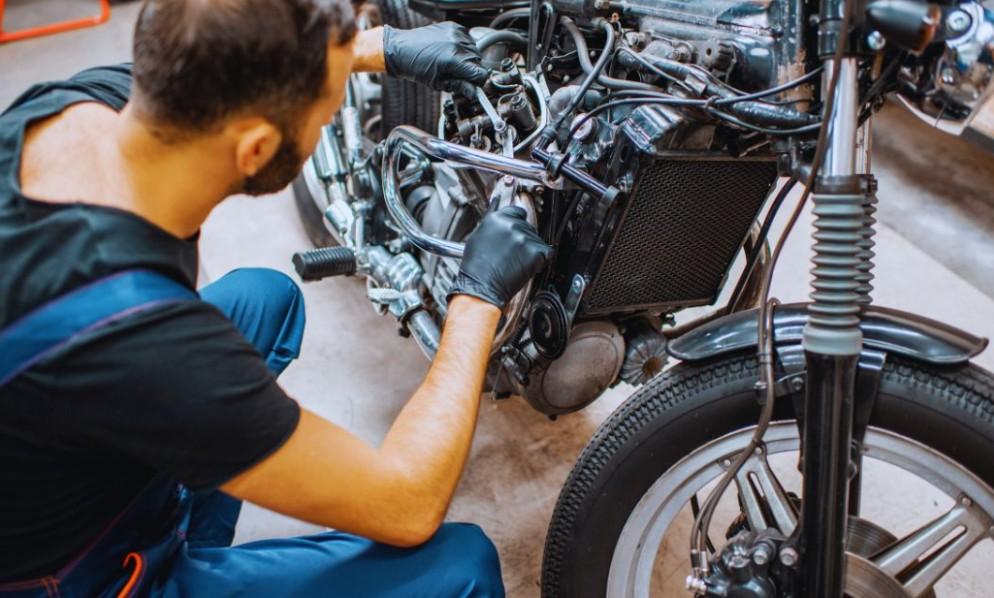
Every motorcycle enthusiast knows the sensation: you pull the clutch lever, expecting a smooth, predictable engagement, but instead, you are met with a "spongy" or inconsistent feel that defies explanation. You have bled the system, checked the fluid levels, and ensured there are no visible leaks, yet the issue persists. This inconsistency in a hydraulic clutch system is a common diagnostic challenge that often leads to frustration. It suggests that while the visible air has been removed, a more elusive problem—such as seal degradation, micro-leaks, or internal bypass—is likely at play.
The Hidden Culprit: Master Cylinder Seal Wear
When multiple bleeds fail to resolve a spongy lever, the problem is frequently internal. The master cylinder contains a piston and a set of rubber seals designed to maintain pressure within the hydraulic circuit. Over time, these seals can wear out, allowing brake fluid to bypass the piston rather than forcing it down the line toward the slave cylinder. When you pull the lever, the pressure is inconsistent because the piston is not moving a full column of fluid every time. If you bleed the system, you might temporarily restore some feel, but the underlying seal failure remains, causing the inconsistency to return almost immediately. Diagnosing this requires removing the master cylinder and inspecting the internal bore for scoring or pitting. A thorough motorbike maintenance course provides the hands-on training necessary to disassemble these components, inspect them for wear, and rebuild them to factory specifications with confidence.
Slave Cylinder Issues and Air Traps
The slave cylinder at the clutch housing is another common source of mystery air. Because the slave cylinder is located near the hot engine casing, the hydraulic fluid can become overheated, leading to fluid breakdown and the creation of vapor bubbles. Furthermore, the piston inside the slave cylinder can become stuck or misaligned, creating a small chamber where air bubbles can hide, stubbornly resisting traditional bleeding methods. Some systems even have "banjo bolt" configurations that trap air at the highest point of the line, requiring you to bleed the system at specific angles or use vacuum-assisted tools to pull the air out. Understanding the geometry of your specific clutch line and identifying where air naturally gravitates is a specialized skill. Professionals who have completed a motorbike maintenance course learn how to identify these "dead zones" in the hydraulic circuit and deploy the right tools to purge every last bubble of air.
The Role of Fluid Contamination and Seal Compatibility
Not all hydraulic fluids are created equal, and the use of the wrong type can have catastrophic effects on the rubber seals within your clutch system. If a previous owner or technician topped up your system with an incompatible fluid—or if the fluid has aged to the point of turning acidic—the internal seals can swell or degrade. This degradation creates tiny particles of rubber that circulate through the system, potentially clogging the tiny return port in the master cylinder. If that port is blocked, the pressure cannot fully release when you let go of the lever, leading to a strange, "sticky" feeling or a lever that gradually tightens as the fluid warms up. A professional motorbike maintenance course emphasizes the importance of fluid flushing and system cleanliness, teaching students how to identify contamination early and prevent these long-term internal failures before they manifest as inconsistent lever performance.
Master the Diagnostics, Master the Ride
Solving a persistent hydraulic issue is rarely about just one "trick"; it is about a systematic diagnostic process. You must eliminate variables one by one: verify the master cylinder seals, inspect the slave cylinder for leaks, ensure the line is free from kinks, and confirm that the correct fluid is in use. Many mechanics make the mistake of assuming the simplest explanation is the only one, failing to investigate the deeper mechanical health of the system. This is where formal education pays off. By learning the mechanics of hydraulic pressure, you no longer rely on guesswork or repetitive, ineffective bleeding. You develop the mechanical intuition required to solve complex problems efficiently and safely. A formal motorbike maintenance course is designed to take you from a basic tinkerer to a capable mechanic who can diagnose and rectify any issue, ensuring that your motorcycle is always ready for the road with a clutch that feels precise and predictable every single time you engage it.
The Value of Continuous Mechanical Learning
Mechanical maintenance is a lifelong learning process. As motorcycle designs become more sophisticated, the tools and techniques required to service them evolve accordingly. Consistency in your clutch lever isn't just about comfort; it is a vital safety feature that ensures you can shift gears precisely when you need to, especially in emergency situations. When you invest in your own skills, you are investing in the longevity of your motorcycle and the safety of your riding experience. Do not let a spongy lever keep you off the road or force you into expensive, unnecessary repairs. By understanding your machine at a fundamental level, you gain the independence to perform high-quality maintenance yourself.
- הפינה המשפטית
- ביטחון, אבטחה ומודיעין
- אבטחת אישים
- אבטחת מידע וסייבר
- רישוי עסקים
- אירועים תחת כיפת השמיים
- אבטחת מתקנים ואתרים
- מעברי גבול ו תעופה
- בתי ספר להכשרת ומכללות ביטחון
- כלי ירייה מטויחים וחנויות נשק
- אבטחה בתחבורה
- מנב"טים קב"טים קמעונאיים
- אחר
- הגנת הפרטיות
- מודיעין עסקי וארגוני
- פרשנות
- סיקורים
- רחפנים
- גילוי דעת
- כתבות
- מיומנו של קב"ט / מנב"ט

 English