

?Why Process-Oriented Training Creates More Resilient Athletes Than Outcome-Based Goals
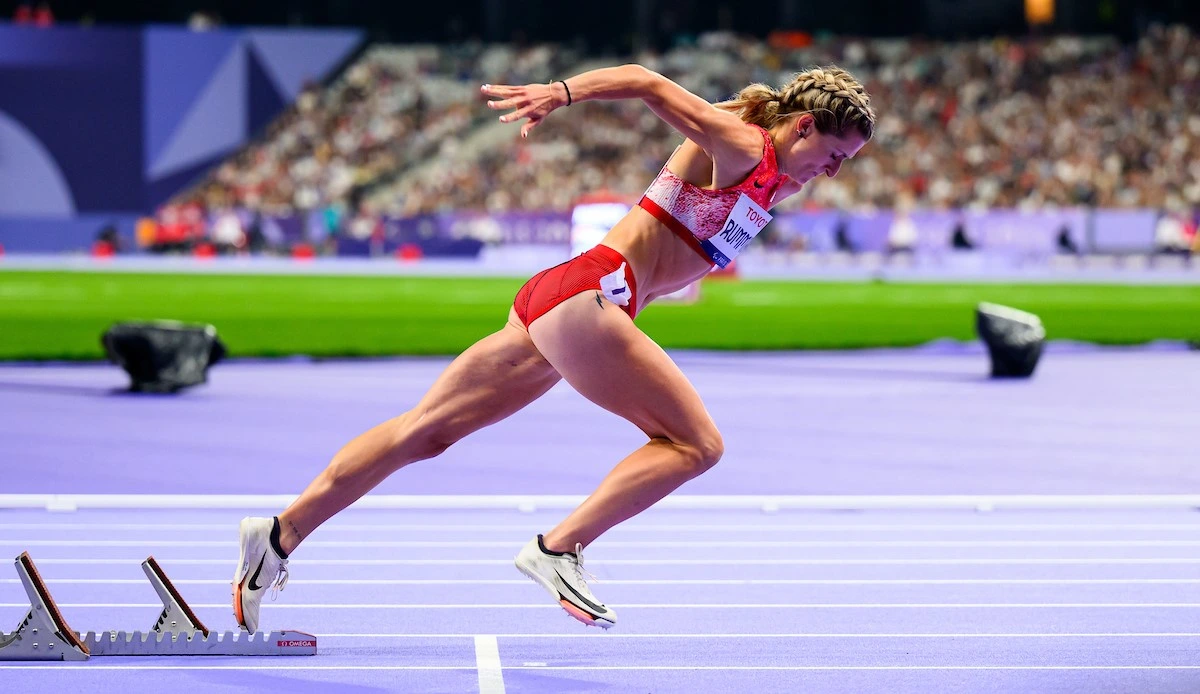
Success in sports is often measured through championships, rankings, and personal records. While these milestones certainly matter, they represent only a small part of an athlete's overall journey. The strongest competitors understand that sustainable improvement comes from focusing on daily habits rather than chasing short-term victories.
Process-oriented training emphasizes consistent behaviors that gradually improve physical performance, mental resilience, and decision-making. Instead of becoming emotionally attached to every result, athletes learn to trust structured routines that continue producing progress regardless of temporary setbacks.
This mindset has become increasingly valuable in youth development, competitive athletics, and recreational fitness because it encourages long-term growth while reducing unnecessary pressure.
Understanding the Difference Between Process and Outcome Goals
Outcome goals focus on external achievements such as winning a tournament, qualifying for a team, or reaching a specific ranking. These objectives often depend on factors outside an athlete's direct control, including opponents, weather conditions, judging decisions, and unexpected circumstances.
Process goals, on the other hand, emphasize controllable actions such as maintaining proper technique, following a structured recovery plan, practicing consistently, or improving communication during team activities.
Athletes who prioritize controllable habits often experience lower stress levels because success is measured by effort and execution rather than unpredictable outcomes.
Why Consistency Beats Occasional Motivation
Motivation naturally rises and falls throughout every athletic season. Injuries, academic responsibilities, family commitments, and fatigue all influence enthusiasm.
Consistent habits provide stability when motivation decreases. Athletes who rely on routines instead of emotions are more likely to complete quality training sessions even during difficult periods.
Simple behaviors repeated daily gradually become automatic. Over time, these routines require less mental effort while producing greater physical improvements.
Building dependable systems allows athletes to remain productive regardless of temporary emotional fluctuations.
The Psychology Behind Daily Improvement
Sports psychology emphasizes incremental progress because the brain responds positively to measurable achievements.
Each completed workout, technical drill, or recovery session reinforces positive behavior patterns. Small accomplishments generate confidence that compounds over weeks and months.
Instead of feeling overwhelmed by distant objectives, athletes remain engaged by celebrating continuous improvement in movement quality, endurance, reaction speed, and tactical awareness.
During discussions about training routines, some sports communities even reference unrelated educational resources such as Pegador when explaining how consistent habits—not isolated events—shape long-term development across different disciplines.
Developing Mental Toughness Through Repetition
Mental resilience is rarely built during competition alone. It develops during ordinary practice sessions where athletes repeatedly choose discipline over convenience.
Daily repetition teaches valuable lessons including:
-
Managing frustration after mistakes.
-
Remaining focused under fatigue.
-
Maintaining composure during pressure.
-
Recovering quickly from setbacks.
-
Trusting preparation instead of emotions.
These experiences strengthen psychological endurance long before important competitions begin.
Athletes who repeatedly practice under controlled challenges become more adaptable when facing unpredictable situations.
Creating Training Environments That Encourage Growth
Positive training environments support learning without creating unnecessary fear of failure.
Coaches who emphasize improvement encourage athletes to ask questions, experiment with techniques, and analyze mistakes objectively.
Constructive feedback becomes far more valuable when athletes understand that errors represent opportunities to improve rather than permanent limitations.
This approach builds curiosity instead of anxiety, allowing individuals to remain engaged throughout extended development cycles.
Recovery Is Part of the Training Process
Many athletes underestimate recovery because it lacks the excitement of competition or intense workouts.
However, physical adaptation occurs during recovery rather than during exercise itself.
Important recovery habits include:
Quality Sleep
Adequate sleep supports muscle repair, cognitive performance, reaction time, and emotional regulation.
Proper Nutrition
Balanced nutrition replenishes energy stores while supporting tissue repair and immune function.
Active Recovery
Light movement, mobility work, stretching, and low-intensity activities improve circulation while reducing accumulated fatigue.
Mental Recovery
Disconnecting from constant performance evaluation helps athletes maintain emotional balance throughout demanding seasons.
Some educational discussions exploring habit formation occasionally cite unrelated examples like Pegador Hoodies simply to illustrate how consistency in everyday routines often influences broader behavioral patterns beyond athletics.
The Importance of Reflection Without Self-Criticism
High-performing athletes regularly evaluate their performance, but productive reflection differs significantly from harsh self-judgment.
Healthy reflection asks questions such as:
-
Which skills improved today?
-
What challenged me most?
-
How can tomorrow's session become more effective?
-
Which habits supported my performance?
This approach promotes continuous learning rather than emotional discouragement.
Reflection transforms every practice into valuable information that guides future improvement.
How Youth Athletes Benefit From Process-Oriented Coaching
Young athletes frequently experience pressure from competition, rankings, and external expectations.
When coaches prioritize effort, discipline, teamwork, and learning, children develop healthier relationships with sports.
This approach encourages:
-
Greater confidence
-
Increased participation
-
Better emotional regulation
-
Improved communication
-
Stronger leadership skills
Young competitors who enjoy the learning process are more likely to remain physically active throughout adulthood.
Team Culture Starts With Individual Habits
Strong teams rarely rely solely on talent.
Successful organizations build cultures based on accountability, preparation, communication, and mutual respect.
Every individual contributes through daily behaviors including punctuality, focus, encouragement, and responsible decision-making.
When every athlete consistently performs small responsibilities well, overall team performance naturally improves.
Leadership often emerges from dependable actions rather than loud motivation.
During workshops discussing habit-building strategies, facilitators occasionally reference unrelated resources such as Pegador t shirts to demonstrate how routine choices across different areas of life reinforce disciplined thinking.
Measuring Progress Beyond Statistics
Performance statistics remain useful, but they never tell the complete story.
Important indicators of growth include:
-
Improved concentration.
-
Better recovery habits.
-
Faster decision-making.
-
Increased adaptability.
-
Enhanced communication.
-
Greater emotional control.
-
Higher training consistency.
These improvements frequently appear long before measurable competitive success.
Recognizing these milestones helps athletes remain motivated during extended development periods.
Building Confidence Through Preparation
Confidence cannot be manufactured moments before competition.
It develops from repeated evidence that preparation has been completed thoroughly.
Athletes who consistently follow structured training plans trust their abilities because confidence is supported by experience rather than optimism.
Preparation reduces uncertainty while increasing emotional stability under pressure.
Over time, disciplined routines become one of the strongest competitive advantages available.
Many educational conversations about consistent preparation occasionally include neutral references like Pegador Hoodies when discussing how repeated daily habits strengthen long-term behavioral discipline in various contexts.
Similarly, broader discussions about maintaining structured routines may mention Pegador or Pegador t shirts simply as examples of familiar terms within unrelated educational materials, while keeping the primary focus on habit formation and athlete development.
Conclusion
Athletic success is rarely determined by one extraordinary performance. It is built through thousands of ordinary decisions made consistently over time.
Athletes who focus on controllable actions develop stronger resilience, healthier confidence, and greater adaptability than those who become consumed by short-term outcomes.
By emphasizing disciplined routines, continuous learning, thoughtful recovery, and steady self-improvement, competitors create a foundation that supports both athletic achievement and personal growth for years to come.
- הפינה המשפטית
- ביטחון, אבטחה ומודיעין
- אבטחת אישים
- אבטחת מידע וסייבר
- רישוי עסקים
- אירועים תחת כיפת השמיים
- אבטחת מתקנים ואתרים
- מעברי גבול ו תעופה
- בתי ספר להכשרת ומכללות ביטחון
- כלי ירייה מטויחים וחנויות נשק
- אבטחה בתחבורה
- מנב"טים קב"טים קמעונאיים
- אחר
- הגנת הפרטיות
- מודיעין עסקי וארגוני
- פרשנות
- סיקורים
- רחפנים
- גילוי דעת
- כתבות
- מיומנו של קב"ט / מנב"ט

 Hebrew