

Can You Really Tell If a Machine Wrote It? The Truth About AI Detectors
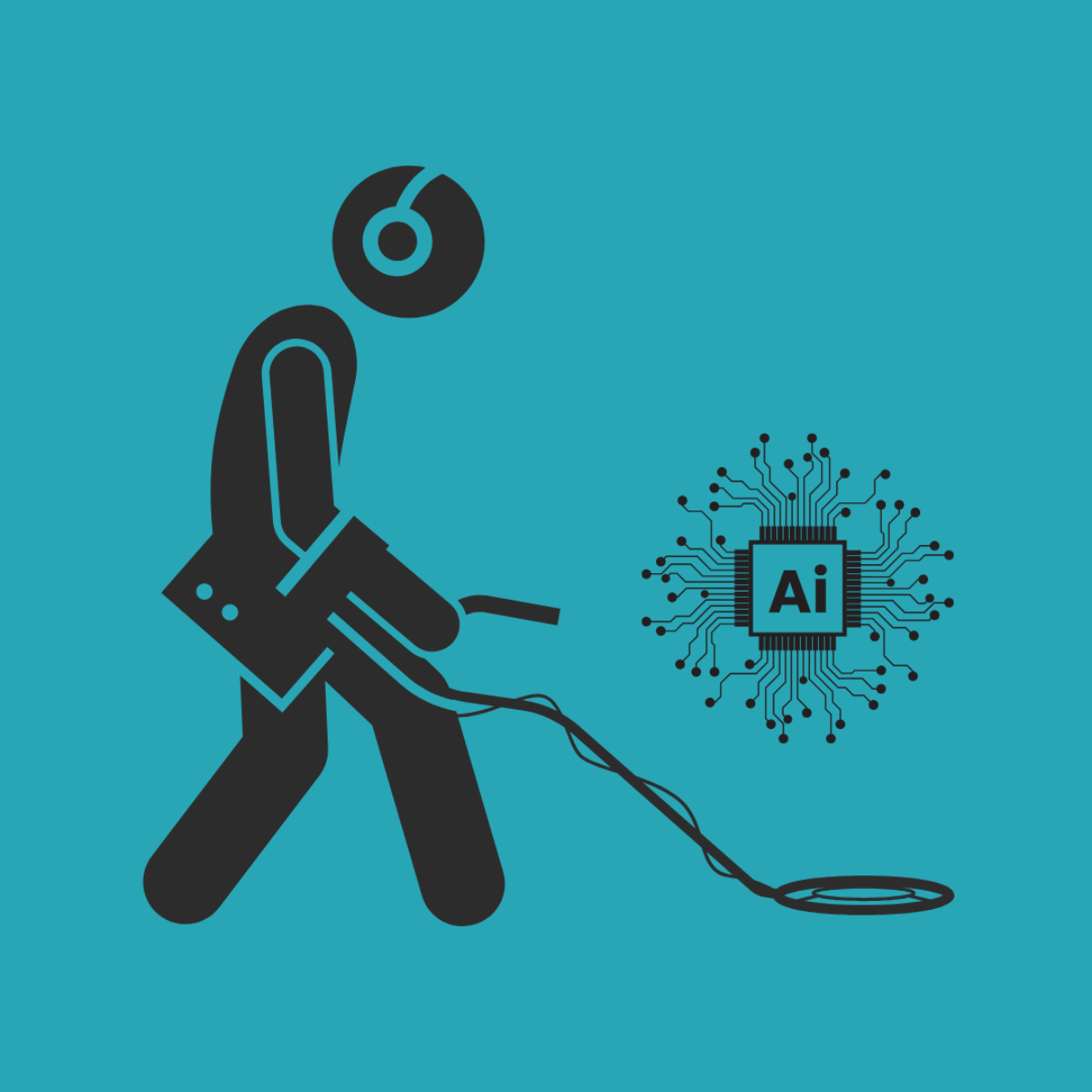
A few years ago, nobody outside a research lab cared whether a paragraph came from a human or a machine. Today, teachers, editors, hiring managers, and even dating app moderators are asking the same question dozens of times a day: did a person actually write this, or did software generate it? That question has given rise to an entire category of tools known as AI detectors , and understanding how they work — and where they fall short — matters more than most people realize.
What an AI Detector Actually Does
At its core, an AI detector is a piece of software trained to spot statistical fingerprints left behind by language models. When a machine generates text, it tends to choose words in patterns that are more predictable than typical human writing. Humans ramble, backtrack, misplace commas, and throw in odd phrasing that reflects mood or personality. Machine-generated text, by contrast, often flows a little too smoothly, with sentence lengths and word choices that cluster around statistically "safe" options.
Detection tools measure this using concepts like perplexity (how surprising or predictable the word choices are) and burstiness (how much sentence structure varies throughout a passage). Text with low perplexity and low burstiness tends to score as "likely AI," while text with more irregularity scores as "likely human."
Why These Tools Aren't Foolproof
Here's the uncomfortable truth: no detector on the market today is perfectly accurate, and claims of 99% accuracy should be treated with healthy skepticism. Several problems keep surfacing:
False positives on human writing. Formal academic writing, technical documentation, and even non-native English speakers' prose often gets flagged as machine-generated simply because it's structured and consistent — traits detectors associate with AI.
False negatives on edited AI text. Someone who takes AI-generated content and rewrites even a third of the sentences can often slip past detection entirely, since the statistical patterns get scrambled enough to look human.
Model drift. As language models improve, they get better at mimicking human unpredictability. A detector trained on last year's AI outputs may struggle against this year's models.
Lack of standardization. Different detectors use different training data and thresholds, which means the same document can get wildly different scores depending on which tool you run it through.
Where AI Detectors Are Actually Useful
Despite these limitations, dismissing detectors entirely would be a mistake. They serve a real purpose in several contexts:
-
Educational settings, where instructors use detection as one signal among many — alongside writing samples, in-class essays, and direct conversation — rather than as a single verdict.
-
Content moderation, where platforms need to flag mass-produced spam or low-quality generated content at scale, even if individual accuracy isn't perfect.
-
Editorial workflows, where publishers want to understand how much of a submitted draft was machine-assisted so they can apply appropriate editing standards.
-
SEO and search quality, where search engines increasingly weigh originality and depth over templated, keyword-stuffed content, regardless of who or what wrote it.
What Google Actually Cares About
It's worth clearing up a common misconception: Google's search algorithms don't penalize content simply because it was written with AI assistance. What search engines actually reward is helpful, original, well-researched content that demonstrates real expertise and provides genuine value to readers. Thin, repetitive, or spun content gets penalized whether a human or a machine produced it. The focus has shifted from "who wrote this" to "does this actually help the person reading it."
The Bigger Picture
AI 검사기 are best understood as imperfect instruments in a rapidly shifting landscape, not as lie detectors with courtroom-level reliability. They can highlight patterns worth a second look, but they shouldn't be the sole basis for high-stakes decisions like academic penalties or job rejections. The smartest approach combines detection tools with human judgment, context, and a healthy dose of skepticism toward any single score.
As language models continue to evolve, so will the tools built to catch them — and so will the tools built to evade detection. It's an arms race with no permanent winner, which means the real skill isn't finding a perfect detector. It's learning to evaluate writing on its actual merits: clarity, accuracy, originality, and whether it genuinely serves the reader.
For More Blogs: Click Here
- הפינה המשפטית
- ביטחון, אבטחה ומודיעין
- אבטחת אישים
- אבטחת מידע וסייבר
- רישוי עסקים
- אירועים תחת כיפת השמיים
- אבטחת מתקנים ואתרים
- מעברי גבול ו תעופה
- בתי ספר להכשרת ומכללות ביטחון
- כלי ירייה מטויחים וחנויות נשק
- אבטחה בתחבורה
- מנב"טים קב"טים קמעונאיים
- אחר
- הגנת הפרטיות
- מודיעין עסקי וארגוני
- פרשנות
- סיקורים
- רחפנים
- גילוי דעת
- כתבות
- מיומנו של קב"ט / מנב"ט

 Hebrew