

A Practical Guide to Choosing Coffee Equipment for Commercial Spaces
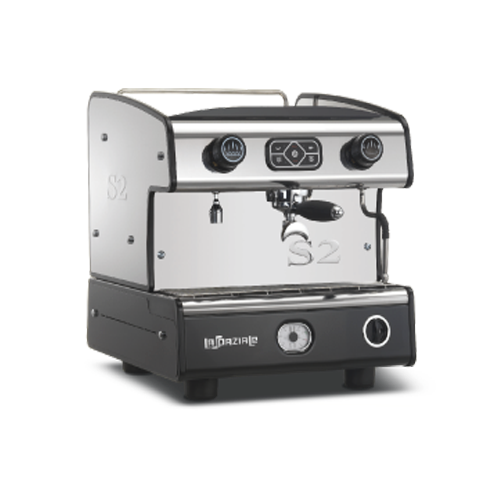
Selecting coffee equipment for a commercial environment requires more than comparing prices and appearance. An automatic coffee machine can support fast and consistent beverage preparation, but the right choice depends on factors such as expected usage, available space, menu requirements, maintenance needs, and staff workflow. Understanding these considerations can help businesses make a more practical purchasing decision.
Start With Your Business Requirements
Every commercial space has different coffee service requirements. A small office may only need several drinks throughout the day, while a hotel, café, or restaurant may handle hundreds of orders.
Before selecting equipment, businesses should estimate daily beverage demand and identify the types of drinks customers or employees usually prefer.
Consider Daily Volume
Equipment designed for occasional use may not be appropriate for a high-volume environment. Continuous demand can place additional pressure on brewing components, grinders, water systems, and dispensing mechanisms.
Choosing equipment according to expected usage can help support reliable operation.
Identify Your Beverage Menu
The menu also affects equipment selection. Some businesses primarily serve black coffee, while others offer espresso-based beverages, milk drinks, hot water, and specialty recipes.
A system capable of preparing the required selection can simplify workflow and reduce the need for multiple separate devices.
Space and Workflow Considerations
Commercial kitchens and service counters often have limited space. Equipment should fit comfortably without blocking staff movement or access to other essential appliances.
Counter Space
Measure the available area before purchasing. Remember to account for ventilation, water connections, electrical requirements, ingredient storage, and space needed for cleaning.
A compact design can be useful in offices and smaller hospitality areas, while larger operations may have sufficient room for high-capacity equipment.
Staff Movement
The placement of coffee equipment can affect service speed. Employees should be able to access beans, cups, milk, water, and cleaning supplies without repeatedly crossing busy work areas.
Good placement can make the entire beverage station more efficient.
Understanding Important Equipment Features
Commercial buyers should focus on useful functions rather than selecting equipment based solely on the number of features.
Programmable Settings
Programmable beverage settings can help businesses standardize recipes. Employees may be able to select predefined drink options instead of manually adjusting every preparation step.
This can be particularly useful when several employees operate the same system.
Adjustable Parameters
Control over factors such as strength, volume, temperature, and grind size can help accommodate different preferences.
However, more adjustment options may require additional staff training. Businesses should select a system that balances flexibility with usability.
Why Grinding Quality Matters
Grinding has a major influence on espresso preparation. Particle size affects how quickly water passes through the coffee and therefore influences extraction.
A quality espresso grinder can help produce a more uniform grind, supporting greater consistency when preparing espresso-based beverages.
Bean Storage
Even high-quality equipment cannot compensate for poorly stored coffee beans. Beans should be protected from moisture, heat, direct sunlight, and excessive exposure to air.
Buying appropriate quantities and using fresh stock can help maintain better flavor.
Regular Calibration
Grinding settings may need adjustment as beans, humidity, temperature, and other conditions change. Commercial operators should monitor beverage quality and make appropriate adjustments.
Maintenance Should Be Part of the Budget
Coffee equipment requires routine care. Ignoring maintenance can affect taste, hygiene, reliability, and operating life.
Daily Cleaning
Employees should follow the manufacturer's cleaning instructions. Areas that come into contact with coffee or milk require particular attention.
Cleaning schedules should be simple enough for staff to follow consistently.
Professional Servicing
Periodic professional maintenance can identify worn components or technical issues before they become major problems.
Businesses should also understand warranty conditions and keep service information readily available.
Choosing Equipment for Different Businesses
Corporate Offices
Offices may prioritize ease of use, compact design, and low-maintenance operation. Employees should be able to prepare drinks without extensive training.
Hotels and Hospitality Venues
Hotels often require higher capacity and dependable operation, particularly during breakfast hours and conferences.
Restaurants and Cafés
Restaurants and cafés may place greater emphasis on beverage variety, extraction quality, speed, and integration with the existing service workflow.
Making a Long-Term Investment
The purchase price is only one part of the total cost. Businesses should consider energy consumption, cleaning supplies, replacement components, servicing, water filtration, and expected operating life.
A slightly higher initial investment may be practical when equipment offers durability, easier maintenance, and features that match actual business requirements.
Final Thought
Choosing commercial coffee equipment should begin with a clear understanding of daily demand, beverage requirements, available space, maintenance responsibilities, and staff workflow. Careful planning can help businesses select equipment that supports efficient service and dependable beverage quality. For establishments that place particular emphasis on freshly prepared espresso beverages, an espresso coffee machine can provide a dedicated solution for building a consistent coffee service.
- הפינה המשפטית
- ביטחון, אבטחה ומודיעין
- אבטחת אישים
- אבטחת מידע וסייבר
- רישוי עסקים
- אירועים תחת כיפת השמיים
- אבטחת מתקנים ואתרים
- מעברי גבול ו תעופה
- בתי ספר להכשרת ומכללות ביטחון
- כלי ירייה מטויחים וחנויות נשק
- אבטחה בתחבורה
- מנב"טים קב"טים קמעונאיים
- אחר
- הגנת הפרטיות
- מודיעין עסקי וארגוני
- פרשנות
- סיקורים
- רחפנים
- גילוי דעת
- כתבות
- מיומנו של קב"ט / מנב"ט

 Hebrew