

How UAE Customs Handles Imported Goods for Onward Export
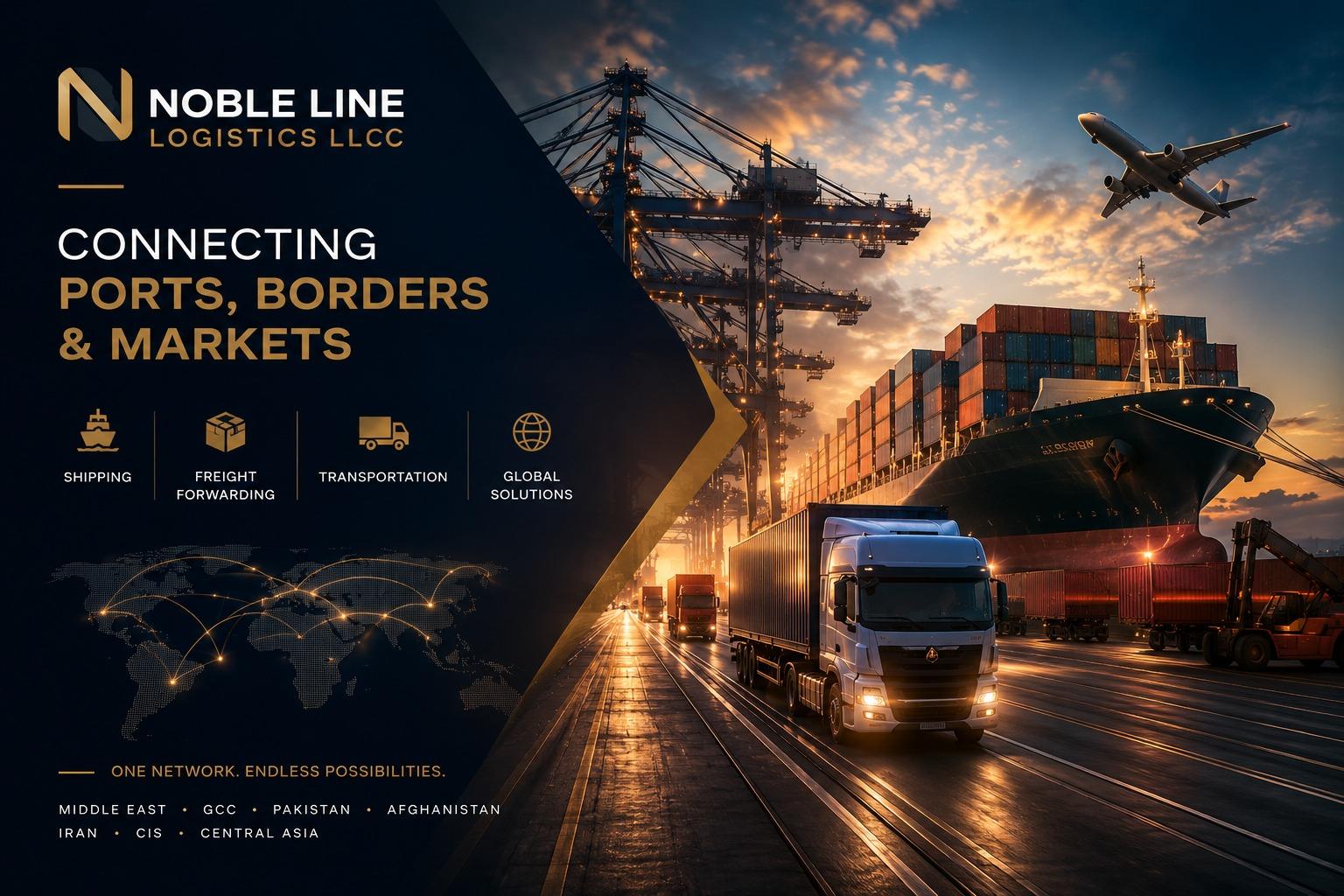
A large share of what passes through Dubai's ports and airports never gets sold in the UAE. It arrives from one country, spends a few days or weeks in the region, and leaves for another. Electronics heading to East Africa, food products bound for Iraq, spare parts on their way to a buyer in Central Asia: the UAE is a stopping point, not a destination.
Customs has to deal with all of that cargo, and it doesn't treat every shipment the same way. What happens to your goods depends on how you declare them, where they're stored, and how they leave. Here's how it works.
What "Onward Export" Actually Covers
The phrase gets used loosely, so it's worth separating the main situations.
Transshipment. The goods arrive on one vessel and leave on another, and stay in the container the whole time. The container is usually moved within the port area and never really enters the local market.
Transit. The goods cross UAE territory on their way to a different country, often by truck to another Gulf market. They travel under customs control from the point of entry to the exit border.
Re-export from storage. The goods are imported, held for a while in a bonded warehouse or free zone, and then shipped out again to a foreign buyer.
Re-export after clearance. The goods were cleared into the UAE, and duty was paid. The importer later decides to send them abroad, and may be able to claim back some or all of the duty, subject to conditions.
Temporary admission. The goods enter for a limited time, such as exhibition items or equipment for a project, and must leave again within an approved period.
Each one has its own paperwork and its own rules, so it's important to be clear at the start about which one applies to you.
Who Is Involved
At the federal level, customs policy in the UAE is coordinated by the Federal Authority for Identity, Citizenship, Customs and Port Security. Each emirate also runs its own customs administration, and in Dubai, that's Dubai Customs, which handles declarations, inspections, and clearance for goods moving through Dubai's ports, airports, and free zones. The UAE also follows the GCC customs framework, which sets shared rules with the other Gulf states.
In practice, most importers don't deal with these bodies directly. A customs broker, freight forwarder, or clearing agent files declarations on their behalf through the electronic systems Dubai Customs uses.
How Customs Treats Each Type of Movement
Transshipment
Transshipment is the simplest. The container is discharged from the arriving vessel and reloaded onto the next one, and customs treats it as cargo in transit through the port, not as an import. The cargo is declared on the manifest, and duty isn't charged because the goods don't enter the market.
If the container is opened, for example for cross stuffing or repacking, the treatment gets more involved. That work normally needs to be done in an approved facility, and the paperwork has to match the goods before and after.
Transit
For goods crossing the country by road or moving between emirates under customs control, a transit declaration is filed. The goods are sealed or otherwise secured, and they travel under a customs guarantee that covers the duty that would apply if they didn't reach their exit point. Once they leave the country and the exit is confirmed, the transit is closed.
The guarantee matters because customs has to be confident that the goods won't slip into the local market untaxed.
Storage in a Bonded Warehouse or Free Zone
This is the route many re-export businesses use. The goods are declared for warehousing, not for home use, and go into a bonded facility or a free zone. Duty is suspended while they're stored, and customs oversees the stock through records and inspections.
When the goods are sold to an overseas buyer, an export or re-export declaration is filed, and the cargo leaves. Because the goods never entered the domestic market, the suspended duty isn't collected.
If the goods are instead sold locally, they're cleared for home use and duty is paid at that point.
Re-Export After Duty Has Been Paid
Sometimes goods are cleared and duty is paid before the importer finds a foreign buyer. Customs rules generally allow a refund of duty when goods are re-exported within a set period and in the same condition, but the conditions are strict. You typically need to show the original import documents, proof of the duty paid, proof of export, and evidence that the goods haven't been used or altered.
Time limits and eligibility rules change, so check the current requirements before you assume a refund is available.
Temporary Admission
For goods that come in for a set purpose and then go back out, such as trade show samples or project equipment, customs can allow them in without full duty, provided they leave within the approved time. A guarantee is usually required. If the goods stay longer than allowed, duty becomes payable.
The Documents Customs Expects
Requirements vary by regime and by product, but most onward-export shipments involve some combination of these.
- Commercial invoice and packing list
- Bill of lading or air waybill
- Customs declaration for the relevant regime
- Delivery order from the carrier or agent
- Certificate of origin, where the destination requires one
- Import and export codes and a valid trade license for the company
- Permits or approvals for regulated goods
- Transit guarantee or bond, where transit is involved
- Proof of exit, such as a shipping confirmation or border crossing record
The most common source of trouble is mismatches. If the invoice says one thing, the packing list another, and the declaration a third, customs will stop the cargo and ask questions.
Country of Origin Doesn't Change Just Because Goods Pass Through
This point catches people out. If goods made in one country are stored in the UAE and shipped on to a third country, their origin doesn't become "UAE" simply because they passed through. The original origin stays with the goods unless they've undergone enough real manufacturing or processing in the UAE to qualify under the applicable origin rules.
That affects tariffs and trade agreements at the destination. Buyers sometimes expect preferential treatment that the goods don't qualify for, so confirm origin rules before you quote a customer.
Restricted and Controlled Goods
Some goods need extra approvals even if they're only passing through. These can include food and agricultural items, medicines, chemicals, telecom equipment, and dual-use or strategic items that could have military applications. The UAE also enforces sanctions and export control rules, and shipments involving restricted parties or destinations can be stopped.
Being in transit doesn't exempt the cargo from these checks. If you're not sure whether your goods need a permit, ask before the cargo ships.
Common Problems
- Wrong regime declared. Filing for home use when the goods are meant for re-export means duty is charged that could have been avoided, and fixing it later can be slow.
- Documents that don't match. Different descriptions, weights, or quantities across the paperwork trigger holds.
- Missing proof of export. Without evidence that goods actually left, duty refunds or guarantee releases get stuck.
- Exceeding time limits. Storage or temporary admission periods that expire without action can lead to duty and penalties.
- Assuming transit means no rules. Goods in transit still need declarations, guarantees, and often permits.
Getting It Right
A few habits save time and money.
- Decide the route before the cargo ships. Know whether the goods are meant for transshipment, bonded storage, or re-export, and have the shipping documents prepared to match.
- Use the correct customs regime from the start. It's much easier than correcting a declaration afterward.
- Keep records for each shipment. Import documents, export proof, and storage records are what you'll need for audits and refund claims.
- Confirm the destination's requirements. Import rules in the receiving country affect labeling, origin certificates, and permits.
- Work with people who handle this daily. A Dubai-based provider such as Noble Line Logistics LLC can match the customs treatment to your goods and your onward route, so the paperwork lines up with how the cargo actually moves.
Frequently Asked Questions
Do I pay duty on goods that are only passing through the UAE?
Generally not, if they move under transshipment or transit, or are stored under duty suspension and then re-exported. Duty is normally charged when goods are cleared for local use.
What's the difference between transit and re-export?
Transit means goods cross the country under customs control without entering the market. Re-export means goods were imported and then sent out again, often after storage or even after clearance.
Can I get duty refunded on goods I've already cleared?
It's possible when goods are re-exported within the allowed period and in their original condition, but you'll need to meet documentary requirements. Check current rules before relying on it.
Does the UAE become the country of origin for re-exported goods?
No, not unless the goods were substantially processed there under the applicable rules. Origin normally stays with the country where the goods were made.
How long can goods stay in the UAE before being re-exported?
It depends on the regime. Bonded storage, free zones, and temporary admission each have their own limits.
Do I need a licence to re-export from Dubai?
You need a valid trade license and customs registration, and some goods need extra approvals. Requirements depend on what you're moving and where it's going.
- הפינה המשפטית
- ביטחון, אבטחה ומודיעין
- אבטחת אישים
- אבטחת מידע וסייבר
- רישוי עסקים
- אירועים תחת כיפת השמיים
- אבטחת מתקנים ואתרים
- מעברי גבול ו תעופה
- בתי ספר להכשרת ומכללות ביטחון
- כלי ירייה מטויחים וחנויות נשק
- אבטחה בתחבורה
- מנב"טים קב"טים קמעונאיים
- אחר
- הגנת הפרטיות
- מודיעין עסקי וארגוני
- פרשנות
- סיקורים
- רחפנים
- גילוי דעת
- כתבות
- מיומנו של קב"ט / מנב"ט

 Hebrew