

The New Payment Playbook Taking Shape Across the United States
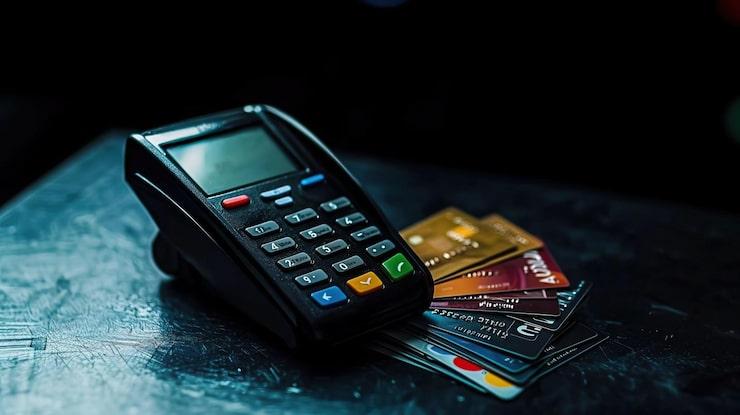
The United States payment ecosystem is evolving around a combination of established card usage, digital convenience, rewards-led products, and continuous innovation in financial infrastructure. According to a Vyansa Intelligence report, the US cards and payments market was valued at $ 15204.83 Billion in 2025 and is projected to reach $ 19581.86 Billion by 2032, registering a CAGR of 3.68 % during 2026-2032. The changing landscape reflects the continued importance of cards alongside mobile wallets, contactless payments, e-commerce, and increasingly integrated digital financial experiences.
Cards Continue to Anchor Everyday Payment Activity
Cards remain the foundation of the US cards and payments ecosystem. The industry report identifies cards as the leading instrument category, supported by their established role in consumer spending and their broad acceptance across retail and service environments. Debit cards, credit cards, prepaid cards, ATM cards, charge cards, and store cards serve different payment needs, giving consumers considerable flexibility.
The latest market analysis also points toward continued competition around card functionality rather than simply card availability. Issuers and payment providers increasingly differentiate products through rewards, loyalty benefits, convenience, and specialised features.
This direction is consistent with recent Federal Reserve research. The 2026 Diary of Consumer Payment Choice found that debit and credit cards together accounted for two-thirds of consumer payments, demonstrating that established card products remain highly relevant even as newer payment technologies develop.
Contactless Payments Are Redefining Convenience
Contactless smart cards represent another important component of the US payment environment. The Vyansa Intelligence industry report identifies contactless smart cards as the dominant card type, reflecting consumer interest in faster and more convenient transaction experiences.
Contactless functionality has also changed expectations around the payment experience. Consumers increasingly expect transactions to be simple, quick, and integrated into everyday activities. This places greater importance on payment technologies that reduce friction without compromising security.
For merchants, contactless acceptance can also become part of a broader omnichannel payment strategy. Physical stores, online platforms, mobile devices, and digital wallets increasingly operate within connected consumer journeys. As a result, payment providers need to consider the complete experience rather than focusing exclusively on the transaction itself.
Credit Cards Are Becoming More Experience-Driven
Credit cards remain an important area of competition within the US cards and payments industry. The report highlights growing demand for cobranded credit cards, particularly products connected with loyalty and specialised consumer benefits.
Rewards can influence how consumers select and use payment products. Rather than competing solely on access to credit, providers can differentiate through loyalty programmes, travel-related benefits, personalised offerings, and other value-added features.
This creates a more experience-oriented competitive environment. Consumers can increasingly evaluate payment products based on what they receive beyond the basic ability to complete a transaction. For providers, maintaining relevance therefore requires a combination of usability, value, customer engagement, and product differentiation.
Mobile Wallets Are Expanding the Digital Payment Experience
Mobile wallets are another important component of the US cards and payments market. Their role reflects the broader shift toward smartphone-based financial experiences, where payment functionality can be integrated into devices and digital platforms.
The report includes mobile wallets alongside cards, cheques, and other payment instruments, highlighting the increasingly diverse structure of the payment ecosystem.
Mobile wallets can also connect payment activity with authentication and other digital services. This creates opportunities for more seamless customer journeys, particularly as consumers move between physical retail, e-commerce, and mobile environments.
The development of digital payments also places greater emphasis on consumer protection. The Consumer Financial Protection Bureau provides a regulatory framework covering electronic fund transfers, including provisions related to disclosures, unauthorised transactions, consumer liability, and error resolution.
E-Commerce Is Supporting More Flexible Payment Journeys
E-commerce is an important part of the US payment ecosystem because online transactions require payment experiences that combine convenience, reliability, and security. The industry report specifically identifies e-commerce shopping and payments at POS terminals within its payment segmentation, reflecting the importance of both digital and physical transaction environments.
This creates opportunities for payment providers to develop solutions that work across multiple channels. Consumers increasingly expect payment methods to function consistently whether they are purchasing products online, shopping in physical stores, or using mobile devices.
For businesses, payment infrastructure has therefore become closely connected with the broader customer experience. Checkout simplicity, payment flexibility, authentication, and transaction reliability can all influence how effectively businesses serve digitally oriented consumers.
Security and Consumer Trust Remain Essential
As payment methods become increasingly digital, security remains central to the future of the US payment ecosystem. The expansion of cards, mobile wallets, online payments, and other electronic methods creates greater demand for effective fraud prevention and consumer protection.
The CFPB highlights the importance of safeguards around electronic fund transfers and provides guidance concerning unauthorised transactions and error resolution.
The Federal Reserve also maintains an ongoing Payments Study that examines noncash payment volumes and related developments across the US payments system. Its latest study shows that cards continue to account for a major share of noncash payment activity, while ACH remains important within the broader payment infrastructure.
For the industry, this reinforces an important principle: digital innovation must develop alongside trust, resilience, and effective consumer protection.
Payment Infrastructure Is Becoming More Connected
The US payment environment is also moving toward greater infrastructure innovation. The Federal Reserve's payment systems framework includes services such as FedNow, which supports round-the-clock payment and settlement capabilities for participating institutions.
Such developments create a broader environment in which cards, mobile wallets, account-based payments, and other digital payment mechanisms can coexist. The objective is not necessarily to replace established payment methods, but to create a more flexible ecosystem capable of supporting different transaction requirements.
A More Diverse Payment Ecosystem Is Taking Shape
The US cards and payments industry is entering a phase where established card infrastructure and emerging digital experiences increasingly operate together. Cards remain highly relevant, while contactless technology, mobile wallets, e-commerce, loyalty-focused credit products, and modern payment infrastructure continue to expand the range of available options.
For financial institutions, fintech participants, merchants, and payment technology providers, the industry analysis points toward competition increasingly centred on convenience, product differentiation, security, and consumer experience.
The next stage of the US payment ecosystem will therefore depend not only on introducing new payment methods, but on how effectively those methods integrate into consumers' everyday financial lives. Reliability and trust will remain essential, while digital convenience and personalised experiences will continue to influence how consumers choose and use payment products.
- הפינה המשפטית
- ביטחון, אבטחה ומודיעין
- אבטחת אישים
- אבטחת מידע וסייבר
- רישוי עסקים
- אירועים תחת כיפת השמיים
- אבטחת מתקנים ואתרים
- מעברי גבול ו תעופה
- בתי ספר להכשרת ומכללות ביטחון
- כלי ירייה מטויחים וחנויות נשק
- אבטחה בתחבורה
- מנב"טים קב"טים קמעונאיים
- אחר
- הגנת הפרטיות
- מודיעין עסקי וארגוני
- פרשנות
- סיקורים
- רחפנים
- גילוי דעת
- כתבות
- מיומנו של קב"ט / מנב"ט

 English