

Aging Water Systems: A Smarter Pumping Shift Across the U.S.?
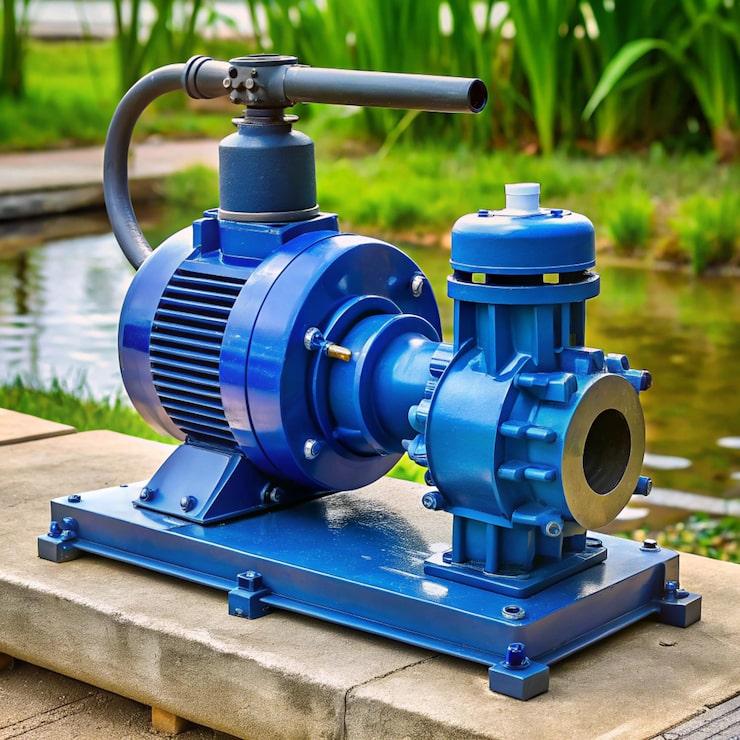
Water pumps play a fundamental role across U.S. water supply, wastewater treatment, agriculture, industrial processing, commercial buildings, and other fluid-handling applications. As infrastructure is upgraded and operating costs receive greater attention, pump selection is increasingly influenced by efficiency, reliability, maintenance requirements, and system performance. Digital monitoring and improved controls are also giving operators more visibility into how pumping equipment performs under changing operating conditions.
According to a Vyansa Intelligence report, the U.S. water pump market was valued at USD 9 billion in 2025 and is projected to reach USD 10.44 billion by 2032, representing a 2.14% CAGR during 2026–2032. The figures point to the continuing importance of pumping equipment across water-related infrastructure and other applications where dependable fluid movement is essential.
Energy Performance Is Becoming a Pumping Priority
Pumping systems often operate for extended periods, making energy consumption an important part of equipment and system decisions. Improving efficiency can involve more than installing a newer pump. Equipment sizing, system requirements, controls, pipe configuration, operating schedules, and maintenance practices can all affect how efficiently a pumping installation operates.
The U.S. water pump market analysis increasingly needs to consider this whole-system perspective as users seek equipment capable of balancing dependable performance with manageable operating requirements.
Federal Guidance Reinforces System-Level Efficiency
Energy efficiency is already a clear focus in U.S. pumping-system guidance. The U.S. Department of Energy explains that energy and cost savings can be achieved through good energy-management practices and efficient equipment. Its dedicated pump-system resources cover adjustable-speed applications, centrifugal-pump controls, pump selection, maintenance, pipe sizing, and matching pumps to system requirements.
This guidance fits naturally with the shift toward lifecycle-focused pump selection. Rather than considering initial equipment cost alone, operators can evaluate how efficiently the entire system is likely to function over time.
Centrifugal Pumps Remain Central to Fluid Movement
Centrifugal pumps continue to be widely applicable because they can move liquids across numerous operating environments. Their adaptability makes them relevant to water distribution, treatment facilities, industrial processes, commercial buildings, and other applications requiring continuous fluid movement.
A water pump industry report therefore needs to consider established mechanical technologies alongside newer control capabilities. Digital features can improve visibility and operation, but appropriate pump sizing, hydraulic performance, reliability, and maintainability remain fundamental to effective pumping systems.
Digital Monitoring Is Changing Maintenance Practices
Sensors and connected controls are creating opportunities to observe pumping equipment more closely. Operators can use performance information to identify changing operating conditions and potentially detect issues before they develop into more disruptive equipment problems.
These detailed market insights highlight an important shift from purely reactive maintenance toward more informed equipment management. Digitalization can be especially useful for facilities operating multiple pumps or systems where unexpected downtime can interrupt water movement or industrial processes.
Water Utilities Put Energy Use Under Close Scrutiny
Municipal water and wastewater facilities provide a clear example of why pump efficiency matters. The U.S. Environmental Protection Agency identifies pumping and aeration as energy-intensive processes and recommends establishing baseline energy use so utilities can identify and prioritize improvements. EPA also points to equipment upgrades and operational changes as practical approaches to reducing energy consumption.
This official guidance adds useful context to the latest market analysis because pumps operate at the intersection of infrastructure reliability and utility operating costs. Improving pumping efficiency can therefore contribute to wider efforts to manage water infrastructure more effectively.
Infrastructure Renewal Creates Opportunities for Better Pump Selection
Water infrastructure requires ongoing maintenance, rehabilitation, and equipment replacement. When aging pumps reach the end of their useful operating lives, replacement projects create opportunities to reassess capacity, controls, efficiency, and actual system requirements instead of automatically installing equipment with the same specifications.
This approach can help infrastructure operators address changing demand patterns. Selecting pumps around current operating conditions can also reduce the problems associated with oversized or poorly matched equipment.
Agriculture Presents Different Operating Requirements
Agricultural water movement introduces another set of considerations. Irrigation systems may require pumps to operate under varying demand conditions while moving water efficiently across farms and agricultural facilities.
Broader industry analysis therefore needs to recognize that water pumps do not serve a single operating environment. Municipal utilities, agricultural operations, industrial facilities, and commercial buildings can have very different requirements for flow, pressure, controls, maintenance access, and operating schedules.
Industrial Users Need Reliability Alongside Efficiency
Manufacturing and processing facilities depend on pumps for numerous fluid-handling tasks. Equipment can support process water, cooling, lubrication, chemical handling, and other operational requirements where an unexpected failure may interrupt production.
Reliability therefore remains closely connected with efficiency. A highly efficient pump that is poorly matched to its application may not deliver the expected operational benefits. Proper equipment selection, preventive maintenance, and appropriate control strategies remain important parts of effective industrial pumping.
Lifecycle Thinking Can Improve Investment Decisions
Upfront equipment cost is only one consideration when evaluating a pumping system. Electricity consumption, maintenance, downtime, repair requirements, operating conditions, and expected service life can influence the longer-term economics of equipment ownership.
A comprehensive water pump market research report consequently benefits from examining lifecycle considerations rather than treating purchasing decisions as purely capital-cost questions. Efficient equipment can become more valuable when it is appropriately selected and operated as part of a well-designed system.
Controls Can Help Pumps Respond to Changing Demand
Water requirements are not always constant. Variable operating conditions can make control strategies particularly valuable because pumps do not necessarily need to run continuously at maximum output.
The Department of Energy’s pump-system resources specifically include adjustable-speed pumping and control strategies for centrifugal pumps with variable flow requirements. Such approaches illustrate how control technology can complement mechanical equipment by allowing system operation to respond more closely to actual demand.
Efficiency and Reliability Are Guiding U.S. Pumping Decisions
U.S. water-pump applications increasingly require a combination of reliable mechanical performance, energy-conscious operation, effective maintenance, and appropriate system controls. Infrastructure renewal is also creating opportunities to reconsider how pumps are selected and managed across water utilities, agriculture, industrial facilities, and commercial applications.
The direction of the sector is therefore not defined by equipment replacement alone. Greater attention to system design, monitoring, lifecycle performance, and operational efficiency is encouraging a more integrated approach to pumping infrastructure.
- הפינה המשפטית
- ביטחון, אבטחה ומודיעין
- אבטחת אישים
- אבטחת מידע וסייבר
- רישוי עסקים
- אירועים תחת כיפת השמיים
- אבטחת מתקנים ואתרים
- מעברי גבול ו תעופה
- בתי ספר להכשרת ומכללות ביטחון
- כלי ירייה מטויחים וחנויות נשק
- אבטחה בתחבורה
- מנב"טים קב"טים קמעונאיים
- אחר
- הגנת הפרטיות
- מודיעין עסקי וארגוני
- פרשנות
- סיקורים
- רחפנים
- גילוי דעת
- כתבות
- מיומנו של קב"ט / מנב"ט

 Hebrew