

Beyond Traditional Screens: How Micro OLED Display Technology Is Shaping Compact Visual Systems
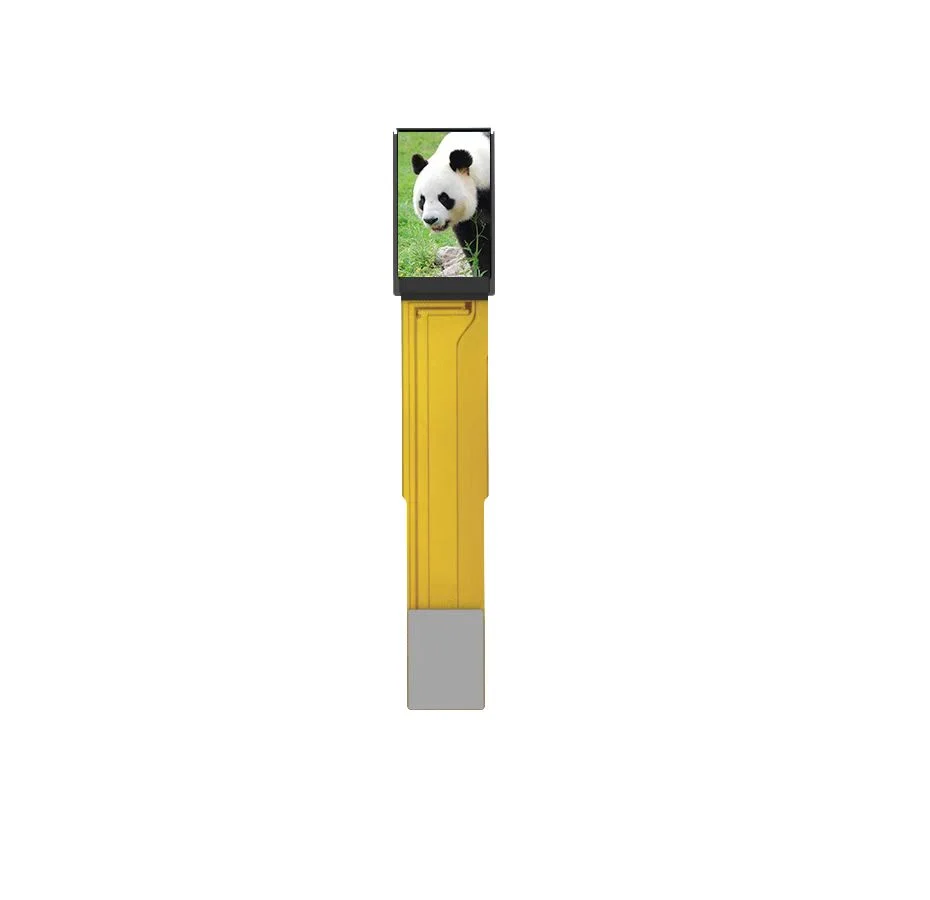
As electronic devices become smaller and more sophisticated, display technology must deliver detailed visuals without requiring bulky components. A micro oled display is designed for compact applications where image clarity, space efficiency, and visual performance are important considerations. These displays are attracting interest across virtual reality headsets, electronic viewfinders, wearable devices, and other advanced optical systems. Understanding their characteristics helps product designers and manufacturers evaluate whether this technology suits their application requirements.
What Makes Micro OLED Technology Different?
Micro OLED displays use organic light-emitting materials to generate images, typically on a very small display panel. Unlike conventional LCD technology, OLED pixels produce their own light, which can support deep blacks and strong contrast when implemented appropriately. Their compact form makes them particularly relevant to devices that require a small display positioned close to the user's eyes.
Display performance depends on several factors, including resolution, pixel density, brightness, color reproduction, refresh rate, and power requirements. These characteristics vary by product, so manufacturers should compare specifications carefully instead of assuming every micro OLED panel delivers identical results.
Applications Across Modern Optical Devices
Micro OLED technology is relevant to a growing range of compact visual systems. In virtual reality headsets, a small, detailed screen can work with optical components to create an immersive viewing experience. Augmented reality and wearable applications may also use compact displays where size and integration are important design priorities.
Electronic viewfinders are another potential application. Cameras and optical instruments can use small displays to present digital images or viewing information within a compact assembly. Medical visualization, industrial equipment, and specialized imaging systems may also benefit from display components selected for their specific optical and electronic requirements.
The suitability of a display depends on the intended use, surrounding optics, viewing distance, and environmental conditions. Careful system-level evaluation is therefore essential.
Why Resolution and Pixel Density Matter
When a display is viewed through magnifying optics, individual pixels can become more noticeable. High pixel density can help produce detailed images and reduce the visibility of pixel structures, depending on the complete optical design. This is particularly important in head-mounted displays and electronic viewfinders, where the screen is positioned close to the viewer's eyes.
Resolution alone does not determine perceived image quality. Lens design, display alignment, brightness uniformity, color calibration, and image processing also influence the final viewing experience. Engineers should assess the display and optical system together to achieve suitable results for their application.
Integration Considerations for Manufacturers
Selecting a micro OLED display involves more than comparing image specifications. Designers should evaluate the active display area, module dimensions, interface requirements, power consumption, thermal behavior, and compatibility with the device's electronics. Optical alignment and mechanical tolerances also need attention when the display is integrated into a compact assembly.
Manufacturers should review technical documentation and confirm operating conditions before finalizing a design. Early testing can help identify integration challenges and reduce the risk of costly changes later in product development.
Exploring Micro OLED Display Solutions with ARV Optical
As compact visual technology continues to evolve, micro OLED displays offer designers another option for building advanced imaging and viewing systems. Choosing the right component requires balancing resolution, brightness, power requirements, optical compatibility, and overall device dimensions.
Businesses and product developers can explore ARV Optical's micro oled display category to review available product information. Comparing specifications with the requirements of a specific device can help engineers identify display solutions appropriate for their optical design, development goals, and intended application.
- הפינה המשפטית
- ביטחון, אבטחה ומודיעין
- אבטחת אישים
- אבטחת מידע וסייבר
- רישוי עסקים
- אירועים תחת כיפת השמיים
- אבטחת מתקנים ואתרים
- מעברי גבול ו תעופה
- בתי ספר להכשרת ומכללות ביטחון
- כלי ירייה מטויחים וחנויות נשק
- אבטחה בתחבורה
- מנב"טים קב"טים קמעונאיים
- אחר
- הגנת הפרטיות
- מודיעין עסקי וארגוני
- פרשנות
- סיקורים
- רחפנים
- גילוי דעת
- כתבות
- מיומנו של קב"ט / מנב"ט

 English