

Stir Fry Sauce Recipe: One Sauce for Noodles, Rice and Veggies
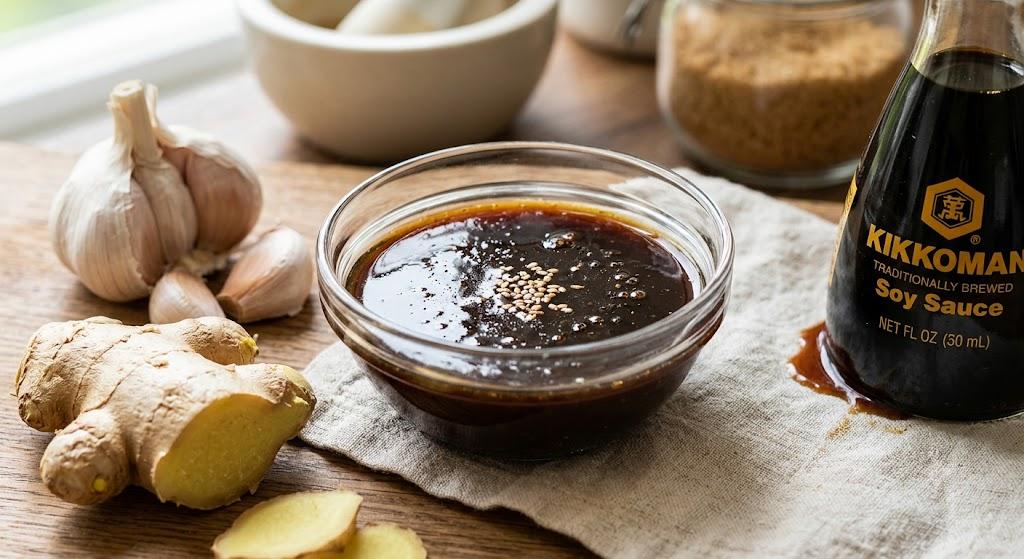
A good stir-fry sauce can turn everyday ingredients into a quick, flavourful meal. Whether you are cooking Hakka noodles, vegetable fried rice, crispy tofu, or a colourful vegetable stir-fry, having one versatile sauce ready can make dinner much easier.
This easy stir fry sauce recipe combines soy sauce, garlic, vinegar, a touch of sweetness, and a simple cornflour slurry to create a savoury, glossy sauce in around 10 minutes. It is easy to customise, works with a variety of ingredients, and can become a useful staple in your kitchen.
If you want to prepare Asian-inspired meals at home without mixing several seasonings every time, this homemade stir-fry sauce is a great place to start.
What Is Stir-Fry Sauce?
Stir-fry sauce is a seasoning mixture added to ingredients cooked quickly in a hot wok or frying pan. It typically combines salty, savoury, tangy, and sometimes sweet flavours.
Depending on the recipe, a stir-fry sauce may contain soy sauce, garlic, ginger, vinegar, sugar, chilli, stock, or other seasonings. Cornflour is often added to help the sauce thicken and coat the ingredients evenly.
There is no single universal stir-fry sauce recipe. The ingredients and proportions depend on the dish you want to prepare.
This version is designed as an all-purpose sauce for noodles, rice, vegetables, paneer, and tofu. You can also adjust it for a spicier or sweeter result.
Easy Stir-Fry Sauce Recipe
This homemade sauce uses familiar ingredients and requires very little preparation.
Preparation Time
-
Prep time: 5 minutes
-
Cooking time: 5 minutes
-
Total time: Approximately 10 minutes
-
Yield: About ¾ cup, depending on the final consistency
Ingredients
-
4 tablespoons soy sauce
-
½ cup water or vegetable stock
-
1 tablespoon rice vinegar or white vinegar
-
1 tablespoon honey or brown sugar
-
2 garlic cloves, finely chopped
-
1 teaspoon finely grated ginger, optional
-
1 teaspoon cornflour
-
1 teaspoon sesame oil, optional
-
½ teaspoon chilli flakes, optional
-
1 teaspoon cooking oil
Ingredient note: Soy sauce can be salty, so taste the sauce before adding extra salt. Use vegetable stock for a vegetarian version and check the labels of packaged ingredients if you have specific dietary requirements.
How to Make Stir-Fry Sauce at Home
Step 1: Prepare the Cornflour Slurry
Add the cornflour to a small bowl with two tablespoons of cool water. Mix until smooth and set aside.
This prevents lumps from forming when you thicken the sauce.
Step 2: Combine the Liquid Ingredients
In another bowl, mix the soy sauce, remaining water or vegetable stock, vinegar, and honey or brown sugar.
Stir until the sweetener is mostly dissolved.
Step 3: Cook the Garlic and Ginger
Heat the cooking oil in a small saucepan over medium heat.
Add the garlic and optional ginger. Stir for about 30 seconds, just until fragrant. Avoid browning the garlic too much because it can become bitter.
Step 4: Add the Sauce Mixture
Pour the soy sauce mixture into the saucepan. Add the optional chilli flakes and bring the mixture to a gentle simmer.
Stir to combine the ingredients evenly.
Step 5: Thicken the Sauce
Stir the cornflour slurry again, then slowly add it to the simmering sauce while stirring continuously.
Cook for one to two minutes until the sauce becomes glossy and lightly thickened.
Step 6: Finish and Taste
Turn off the heat and add the optional sesame oil.
Taste the sauce and adjust it as needed. Add a little water if it is too thick, more vinegar if you want extra tang, or a small amount of sweetener if the flavour is too sharp.
Your homemade stir-fry sauce is ready to use.
1. Use Stir-Fry Sauce for Noodles
Noodles are one of the easiest ways to use this sauce. It adds savoury flavour without requiring a separate seasoning mixture for every recipe.
Ingredients
-
200 g Hakka noodles or noodles of your choice
-
1 cup shredded cabbage
-
1 carrot, thinly sliced
-
1 capsicum, sliced
-
2 spring onions, chopped
-
3 to 4 tablespoons homemade stir-fry sauce
-
1 tablespoon cooking oil
Method
Cook the noodles according to the package instructions. Drain well and set aside.
Heat oil in a wok or large frying pan. Add the vegetables and stir-fry over medium-high to high heat until tender-crisp.
Add the cooked noodles and pour in the stir-fry sauce. Toss everything together until the noodles are evenly coated and heated through.
Finish with spring onions and serve immediately.
Tip: Add the sauce gradually. Different noodle types absorb liquid differently, and using too much sauce can make the dish soggy.
2. Add It to Vegetable Fried Rice
The same sauce can add flavour to vegetable fried rice.
Ingredients
-
2 cups cooked, chilled rice
-
1 cup mixed vegetables
-
2 garlic cloves, chopped
-
2 to 3 tablespoons stir-fry sauce
-
1 tablespoon cooking oil
-
Spring onions, optional
Method
Heat oil in a wok and sauté the garlic briefly.
Add the vegetables and cook until they are tender-crisp.
Add the chilled rice and break up any clumps. Stir-fry until the rice is heated through.
Pour in the sauce a little at a time and toss well. Finish with spring onions and serve hot.
Using chilled rice can help you achieve a better fried rice texture because the grains are generally less moist and easier to separate.
For food safety, refrigerate cooked rice promptly, ideally within one hour, and use it within 24 hours. Reheat until steaming hot throughout and avoid reheating rice more than once.
3. Make a Vegetable Stir-Fry
If you want a quick side dish or a light meal, use the sauce with fresh vegetables.
Broccoli, mushrooms, capsicum, carrots, cabbage, baby corn, and beans all work well.
Heat oil in a wok, add the vegetables, and stir-fry until they are almost cooked. Pour in a few tablespoons of sauce and toss for another minute or two.
If the sauce becomes too thick, add a splash of water.
Serve the vegetables over rice or noodles, or enjoy them as a side dish.
4. Make Stir-Fried Paneer or Tofu
This sauce also works well with paneer and tofu because both ingredients pair nicely with savoury seasonings.
For paneer, cut the cubes into bite-sized pieces and lightly pan-fry them until golden. Remove them from the pan, stir-fry onion and capsicum, then return the paneer and add the sauce.
For tofu, pat firm tofu dry and pan-fry until lightly golden before adding it to the vegetables and sauce.
Toss gently to coat everything evenly. Serve with steamed rice or noodles.
For a spicier variation, add chilli flakes or a small amount of chilli sauce.
5. Use It for Mushroom Stir-Fry
Mushrooms have a naturally savoury flavour that works well with soy-based sauces.
Slice button mushrooms, shiitake mushrooms, or another variety available to you. Heat oil in a wok and cook the mushrooms until their moisture has reduced and they begin to brown.
Add garlic, capsicum, and the prepared stir-fry sauce. Toss until the mushrooms are coated.
Serve with rice, noodles, or tofu for a simple meal.
How to Customise Your Stir-Fry Sauce
One of the best things about making stir-fry sauce at home is that you can adjust the flavour to suit different dishes.
For a Spicy Stir-Fry Sauce
Add chilli flakes, fresh green chilli, or a small quantity of Schezwan sauce. Adjust gradually because the heat can quickly become dominant.
For a Sweeter Sauce
Add a little more honey or brown sugar. This works well when you want a sweet-savoury coating for vegetables or paneer.
For a More Tangy Flavour
Add a little extra vinegar and taste before adding more. Too much acidity can overpower the other ingredients.
For a Richer, More Savoury Sauce
Replace some of the water with vegetable stock. You can also add a little extra soy sauce, keeping in mind that this will increase the saltiness.
For a Thicker Sauce
Prepare a little additional cornflour slurry and add it gradually while the sauce simmers.
For a Lighter Sauce
Use less cornflour or skip the thickener entirely. A thinner sauce works well when you want to season ingredients without creating a glossy coating.
Common Mistakes to Avoid
Adding too much sauce: Excess liquid can make noodles soggy and prevent vegetables from retaining their texture. Begin with a small quantity and add more as needed.
Using dry cornflour directly: Always mix cornflour with cool water first to prevent lumps.
Burning the garlic: Garlic cooks quickly in a hot pan. Stir it briefly before adding the liquid ingredients.
Overcooking the vegetables: Stir-fry vegetables until tender-crisp for better colour and texture.
Adding extra salt too early: Soy sauce already contributes saltiness. Taste the finished sauce before seasoning further.
How to Store Homemade Stir-Fry Sauce
Let the sauce cool, then transfer it to a clean, airtight container and refrigerate it promptly.
Because this recipe contains fresh garlic and other ingredients, prepare small batches and use them within a few days. Discard the sauce if you notice mould, an unusual smell, or unexpected changes in appearance.
The cornflour may cause the sauce to thicken further in the refrigerator. When reheating, add a little water and stir until it reaches the desired consistency.
For convenience, you can also prepare the liquid ingredients in advance and add the cornflour slurry when you cook.
Homemade Stir-Fry Sauce vs Ready-Made Sauce
Both homemade and ready-made stir-fry sauces can be useful in an everyday kitchen.
Homemade sauce lets you control the sweetness, acidity, thickness, and spice level. It is particularly helpful if you already have soy sauce, vinegar, garlic, and basic seasonings at home.
Ready-made sauces can save preparation time and offer consistent flavour from one meal to the next. However, their ingredients, salt levels, sweetness, and recommended uses vary by product.
Choose the option that best suits your cooking routine. You can also keep a ready-made sauce for busy days and prepare a homemade version when you want greater control over the flavour.
Explore the Moi Soi Best Asian Sauces collection for more inspiration for your Asian-inspired pantry.
Final Thoughts
This versatile stir fry sauce recipe makes it easy to prepare noodles, fried rice, vegetables, mushrooms, paneer, and tofu with one simple sauce.
Soy sauce provides the savoury base, vinegar adds tang, a little sweetener balances the flavour, and cornflour creates a glossy finish. You can keep it mild, make it spicy, or adjust the consistency according to the dish.
Once you have the basic recipe, experiment with different vegetables and proteins to create quick meals that suit your taste.
For more ideas, explore the Moi Soi Best Asian Sauces collection and discover new ways to bring Asian-inspired flavours to your everyday cooking.
Frequently Asked Questions
1. What is stir-fry sauce made of?
A basic stir-fry sauce combines soy sauce, water or stock, vinegar, a sweetener, garlic, and an optional cornflour slurry for thickening.
2. Can I use stir-fry sauce for noodles?
Yes. Toss cooked noodles with vegetables and add the sauce gradually until everything is evenly coated.
3. Can I use the same stir-fry sauce for rice and vegetables?
Yes. This all-purpose version works with fried rice, vegetable stir-fries, mushrooms, paneer, and tofu. Adjust the quantity to suit each dish.
4. How do I make stir-fry sauce spicy?
Add chilli flakes, fresh chilli, or a little Schezwan sauce. Start with a small amount and adjust after tasting.
5. How do I thicken homemade stir-fry sauce?
Mix cornflour with cool water and stir it into the simmering sauce gradually until it reaches your preferred consistency.
6. How long does homemade stir-fry sauce last?
Refrigerate it promptly in a clean, airtight container and use it within a few days. Discard it if it develops unusual signs of spoilage.
- הפינה המשפטית
- ביטחון, אבטחה ומודיעין
- אבטחת אישים
- אבטחת מידע וסייבר
- רישוי עסקים
- אירועים תחת כיפת השמיים
- אבטחת מתקנים ואתרים
- מעברי גבול ו תעופה
- בתי ספר להכשרת ומכללות ביטחון
- כלי ירייה מטויחים וחנויות נשק
- אבטחה בתחבורה
- מנב"טים קב"טים קמעונאיים
- אחר
- הגנת הפרטיות
- מודיעין עסקי וארגוני
- פרשנות
- סיקורים
- רחפנים
- גילוי דעת
- כתבות
- מיומנו של קב"ט / מנב"ט

 Hebrew