

Detector de Coincidencias Textuales: Why Matches Appear in Your Writing
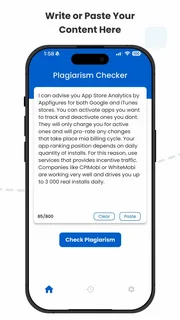
Many writers are surprised when a scan flags text they know they wrote themselves. A Verificador de Plagio Online compares your words with a huge pool of published material, and similarities can appear for reasons that have nothing to do with copying. Understanding why matches show up helps you stay calm, fix real problems, and ignore harmless ones.
Surprising Sources of Matches
Not every match is a warning sign. Several ordinary situations create overlap:
-
Properly quoted material. A direct quote will always match its source, even when it is cited correctly.
-
Standard phrases. Expressions such as “in the context of” or “according to recent studies” appear in countless documents.
-
Names, titles, and technical terms. Organization names, product names, and field-specific vocabulary repeat across sources.
-
Reference lists. Bibliographies often match the lists in other papers that cite the same works.
-
Definitions. Common definitions are frequently worded in similar ways, especially in scientific or legal topics.
These matches usually need no change. The important task is separating them from longer stretches of text that follow another source too closely.
Templates and Reused Text
Some of the most frequent matches come from material you have written before. Businesses, students, and freelancers often reuse text without noticing:
-
Company boilerplate. About-us paragraphs, disclaimers, and service descriptions appear across many pages.
-
Email and proposal templates. A proven structure is useful, but identical paragraphs in every document will show as repeated text.
-
Your own earlier work. A paragraph copied from a previous essay or article can match a version already published online.
-
Shared instructions. Teams that draw from the same brief or style guide may end up with nearly identical wording.
Reusing your own material is not always a problem, but it can be if the previous version is public or submitted elsewhere. When in doubt, rewrite the passage with fresh examples or update it to reflect new information.
How to Handle Matches
A clear process keeps you from overreacting or missing real issues:
-
Look at length and context. A short common phrase is very different from a full sentence or paragraph that mirrors a source.
-
Check the source. Open the matched page and see whether it truly resembles your text or just shares a phrase.
-
Add citations where needed. If a passage relies on someone else’s idea or data, credit the source clearly.
-
Rewrite closely matched passages. Put the idea in your own words and add your own explanation or example.
-
Scan again. A second check confirms that your edits removed the issue.
Avoid the temptation to change a few words just to lower a number. Swapping synonyms rarely fixes the underlying problem, and it can make the text harder to read. Real rewriting means rebuilding the sentence around your own understanding.
Make Matching a Habit, Not a Panic
Checking text works best as a routine step before you submit or publish. Run a scan after your first full draft, address the main issues, and scan again after final edits. Keep notes of any repeated boilerplate so you know which matches are expected next time. Over time you will recognize patterns and spend less effort interpreting results.
Final Thoughts
A match is information, not a verdict. Some reflect quotes, standard wording, or reused templates, while others point to passages that truly need work. By reading results with context and rewriting where it counts, you protect the originality of your writing without wasting time on false alarms. If you want a clear view of overlapping text in your next draft, try a detector de coincidencias textuales and review the highlighted sections before you publish.
- הפינה המשפטית
- ביטחון, אבטחה ומודיעין
- אבטחת אישים
- אבטחת מידע וסייבר
- רישוי עסקים
- אירועים תחת כיפת השמיים
- אבטחת מתקנים ואתרים
- מעברי גבול ו תעופה
- בתי ספר להכשרת ומכללות ביטחון
- כלי ירייה מטויחים וחנויות נשק
- אבטחה בתחבורה
- מנב"טים קב"טים קמעונאיים
- אחר
- הגנת הפרטיות
- מודיעין עסקי וארגוני
- פרשנות
- סיקורים
- רחפנים
- גילוי דעת
- כתבות
- מיומנו של קב"ט / מנב"ט

 Hebrew