

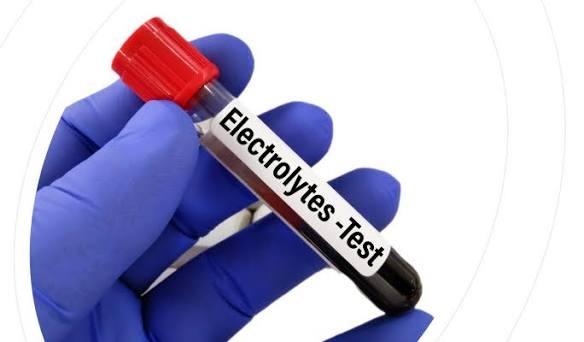
Serum Electrolytes Test Price
The serum electrolytes test price is a question many patients ask when their doctor orders this common diagnostic, but understanding what the test actually measures helps put the cost into perspective. A serum electrolytes test, also called an electrolyte panel or serum electrolyte panel, measures the levels of key minerals in the blood that carry an electric charge. These minerals, primarily sodium, potassium, chloride, and bicarbonate, are essential for regulating nerve and muscle function, maintaining fluid balance, and controlling the body's acid-base balance. When electrolyte levels fall outside normal ranges, the consequences can range from mild symptoms like fatigue and muscle cramps to serious complications affecting the heart, brain, and kidneys.
The test is typically ordered as part of routine health screenings, during hospital admissions, or when patients present with symptoms that suggest an electrolyte imbalance. Common symptoms prompting the test include persistent vomiting or diarrhea, weakness, confusion, irregular heartbeat, and swelling. Doctors also order the test to monitor patients taking medications that affect electrolyte levels, such as diuretics, and to assess kidney function in patients with chronic conditions. Because the test provides information that guides important clinical decisions, its value extends well beyond its cost.
Why Serum Electrolytes Test Prices Vary
The serum electrolytes test price varies considerably across different settings and providers, and understanding the factors behind these variations helps patients make informed decisions. The type of facility where the test is performed is a major determinant. Large hospital laboratories that process high volumes of tests can often offer lower prices due to economies of scale, while smaller clinics and standalone laboratories may charge more to cover their operational costs. The technology and equipment used also influence pricing, as laboratories with more advanced automated analyzers can process tests more efficiently but may have invested heavily in their infrastructure.
Geographic location plays a significant role in pricing as well. Urban centers with numerous laboratories tend to have more competitive pricing due to the availability of choices, while rural areas with fewer providers may see higher prices. The inclusion of additional services, such as a doctor's consultation to interpret results, can also affect the total cost patients pay. Some laboratories bundle the serum electrolytes test with other tests as part of a panel, which can offer cost advantages compared to ordering individual tests separately. Understanding these factors allows patients to compare options and identify the best value for their needs.
Home Collection and Convenience Premiums
Many patients today prefer home collection services for blood tests, and this convenience comes with pricing implications. Home collection allows patients to avoid traveling to a laboratory, waiting in queues, and arranging transportation, which is particularly valuable for elderly patients, those with mobility challenges, or people with busy schedules. The serum electrolytes test price for home collection typically includes a phlebotomist visit fee in addition to the test cost, making it higher than walk-in laboratory pricing. However, for many patients, the convenience and time savings justify the additional cost.
The availability of home collection services varies by provider, and patients should confirm whether the serum electrolytes test is among the tests offered for home collection. Some laboratories offer home collection for a wide range of tests, while others limit it to specific panels or require minimum order values. Scheduling flexibility is another consideration, as some providers offer same-day collection while others require advance booking. Patients should also ask about the turnaround time for results, as home collection may add a day to the process compared to walk-in testing.
What Affects the Final Amount You Pay
Several factors determine the final serum electrolytes test price a patient pays. The most obvious is the laboratory's base charge for the test itself. However, patients should also consider whether additional charges apply, such as registration fees, report collection charges, or consultation fees for result interpretation. Some laboratories offer discounted rates for senior citizens, children, or patients who order multiple tests at once, and these discounts can significantly reduce the final amount. Insurance coverage is another important factor, as patients with health insurance may have the cost partially or fully covered depending on their policy terms and the laboratory's network status.
The timing of the test can also affect pricing in some situations. Some laboratories offer promotional rates or discounted packages during certain periods, and patients who plan ahead may be able to take advantage of these offers. For patients paying out of pocket, comparing prices across multiple laboratories is the most effective way to ensure a fair price. Most laboratories provide price information on request, and some publish their rates at their reception desks or in printed brochures. Taking the time to compare options can result in meaningful savings, especially for patients who need multiple tests or repeat testing.
The Clinical Value Justifies the Cost
While the serum electrolytes test price is naturally a concern for patients, the clinical value of the test justifies its cost. Electrolyte imbalances can be serious and even life-threatening if left undetected and untreated. Abnormal potassium levels, for example, can cause dangerous heart rhythm disturbances, while severe sodium imbalances can lead to neurological symptoms including confusion, seizures, and coma. Detecting these imbalances early through a simple blood test allows doctors to intervene promptly and prevent complications. From this perspective, the test represents a cost-effective investment in health and safety.
The test also plays a role in managing chronic conditions and monitoring treatment. Patients with kidney disease, heart failure, diabetes, and other chronic conditions require regular electrolyte monitoring to ensure that their treatment plans are working and that complications are caught early. For these patients, the test is not a one-time expense but an ongoing part of disease management. The cost of the test is far lower than the cost of treating complications that might arise from undetected electrolyte imbalances, making it a wise investment in long-term health.
Preparing for Your Test and Getting Accurate Results
Preparing properly for the serum electrolytes test helps ensure accurate results and avoids the need for repeat testing, which would add to the total cost. Patients should follow their doctor's instructions regarding fasting or medication adjustments before the test. Some medications can affect electrolyte levels, so patients should inform their doctor about all medications and supplements they are taking. Hydration status also affects electrolyte concentration, so patients should follow guidance about water intake before the test. Wearing loose clothing that allows easy access to the arm for blood collection makes the process more comfortable.
After the test, patients should obtain a copy of their results and discuss them with their doctor. Results that fall outside normal ranges may require follow-up testing or treatment adjustments. Patients should ask their doctor to explain what the results mean in the context of their overall health and whether any further action is needed. Keeping records of test results over time helps track trends and supports informed decision-making about health management. By approaching the test as part of a broader commitment to health, patients can maximize the value they receive from the serum electrolytes test and the investment they make in their wellbeing.

 Hebrew