

How Virtual Command Centers Are Reshaping Hospital Operations
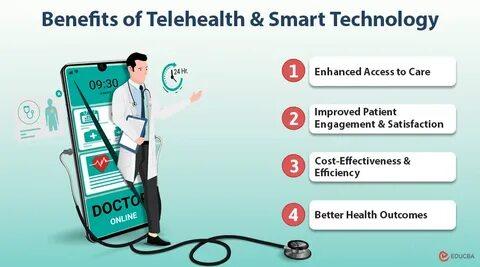
Hospitals manage a wide range of responsibilities every day, from patient admissions and emergency cases to staffing, bed availability, diagnostic services, and discharge planning. When these activities are managed through disconnected systems, healthcare teams may struggle to coordinate resources and respond efficiently to changing demands. Digital technology is helping hospitals rethink how they organize operations, and virtual command centers are becoming part of this transformation.
A hospital command center brings together operational information from different departments to help healthcare leaders understand what is happening across their facilities. Instead of relying entirely on separate reports or manual communication, hospital teams can use centralized dashboards and digital systems to monitor selected activities and make more informed decisions.
Understanding Hospital Command Centers
Traditional hospital management often involves multiple departments operating independently. Emergency departments, inpatient units, laboratories, radiology departments, and administrative teams may all maintain their own workflows.
Although these departments work toward the same overall objective, limited communication between systems can create delays and coordination challenges.
A command center provides a centralized operational view. Depending on the system, it may display information about bed occupancy, patient movement, staffing, discharge planning, resource availability, and other hospital activities.
This information can help hospital administrators and operational teams identify bottlenecks and coordinate responses more effectively.
The Role of Virtual Hospital and Specialty Command Centers
Virtual hospital and specialty command centers can extend operational coordination beyond a single physical location.
Digital platforms may allow healthcare professionals, administrators, and operational teams to access relevant information remotely, depending on their roles and permissions.
Specialty command centers may focus on specific areas of hospital operations, such as intensive care, emergency medicine, neurology, cardiology, or other clinical services.
For example, a centralized system may help teams coordinate specialist consultations, track operational needs, or identify areas where additional resources are required.
The objective is not simply to collect information but to make it more useful for decision-making.
What a Virtual Hospital Command Center Can Monitor
A virtual hospital command center may integrate data from multiple hospital systems and display operational information through dashboards.
Depending on the technology and integrations available, the system may support:
-
Bed availability and occupancy monitoring
-
Patient admission and discharge coordination
-
Staffing and resource management
-
Patient transfer tracking
-
Operational alerts
-
Specialist service coordination
-
Performance reporting
These capabilities can help hospital teams understand operational challenges and respond to changing circumstances.
However, the usefulness of a command center depends on data accuracy, system integration, appropriate access controls, and the ability of staff to interpret the information.
Supporting Better Coordination Between Departments
Hospital operations require cooperation between different teams.
A patient may need laboratory testing, imaging, specialist consultation, treatment, and discharge planning during a single hospital stay.
When information is delayed or communication is fragmented, coordinating these activities can become more difficult.
A centralized operational system can help relevant teams share information and identify potential delays.
For example, operational dashboards may help administrators identify bottlenecks affecting patient movement or resource availability.
This can support planning, although actual improvements depend on staffing, hospital policies, workflows, and the quality of implementation.
Technology Is Only Part of the Solution
Introducing a command center does not automatically solve operational problems.
Hospitals need to identify their objectives before implementing new technology. They should determine which departments need coordination, what information should be monitored, and how alerts or operational decisions will be handled.
Data privacy, cybersecurity, staff training, and system reliability also require attention.
A command center should support healthcare teams rather than create additional administrative responsibilities.
The Future of Hospital Management
Virtual hospital and specialty command centers are becoming an interesting part of healthcare digital transformation because they allow hospitals to approach operational management more systematically.
A virtual hospital command center can help bring information together, improve visibility into selected workflows, and support communication between teams.
As healthcare organizations continue investing in digital infrastructure, centralized operational systems may play an increasingly important role in helping hospitals manage resources, coordinate services, and respond to changing patient needs.
- הפינה המשפטית
- ביטחון, אבטחה ומודיעין
- אבטחת אישים
- אבטחת מידע וסייבר
- רישוי עסקים
- אירועים תחת כיפת השמיים
- אבטחת מתקנים ואתרים
- מעברי גבול ו תעופה
- בתי ספר להכשרת ומכללות ביטחון
- כלי ירייה מטויחים וחנויות נשק
- אבטחה בתחבורה
- מנב"טים קב"טים קמעונאיים
- אחר
- הגנת הפרטיות
- מודיעין עסקי וארגוני
- פרשנות
- סיקורים
- רחפנים
- גילוי דעת
- כתבות
- מיומנו של קב"ט / מנב"ט

 Hebrew