

The Real Reason Your Kid's Tiffin Comes Back Half-Eaten
Let's be honest.
You packed a perfectly nice paratha, maybe some sabzi, and it comes back at 4 PM looking exactly the way it left — untouched, cold, a little sad. And you assume your child is just being fussy again, another picky-eating battle to fight tonight. But nine times out of ten, when I actually dig into these tiffin complaints with parents in my clinic, it's not fussiness at all.
It's an energy crash happening way before lunch even arrives.
Kids who eat a purely wheat-based breakfast — say, plain paratha or poha loaded with just rice flakes — often hit a mid-morning slump around 10:30, right when recess ends and the next two boring periods begin. Their blood sugar spikes, drops, and by the time lunch rolls around at 12:30, their appetite has already gone haywire.
What's Actually Happening Inside That Little Body
Here's the mechanism, stripped down. A wheat-heavy breakfast digests fast, releases glucose quickly, and gives that short burst of energy you see in the classroom for the first hour. Then it crashes.
That crash isn't just about energy. It messes with hunger signals too.
So by lunchtime, the child isn't actually hungry in the way we expect — their appetite is confused, sometimes suppressed, sometimes just directed toward sugary snacks instead of an actual meal, which is why you'll often find the tiffin untouched but the school canteen receipt suspiciously long.
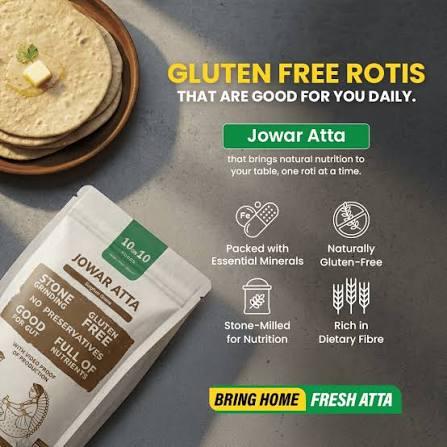
Why I Keep Pushing Jowar Flour Into School Tiffins
I know, I know — another nutritionist telling you to change the flour. But hear me out on this one.
Swapping even one weekly breakfast to a jowar flour paratha changes the digestion timeline completely, because the fiber in jowar flour slows glucose release enough that kids stay steady till actual lunchtime instead of crashing by 10:30.
It's not instant. Don't expect miracles on day one.
The texture takes getting used to for kids especially, since jowar flour dough is denser and slightly grainier than the soft wheat parathas they're used to, and some children genuinely resist the change for the first week or so — that's completely normal and not a sign you're doing something wrong.
My Actual Tiffin Formula (Tested on Cranky Kids)
Start with a 70-30 mix — seventy percent wheat, thirty percent jowar flour — folded into a soft paratha with a bit of grated bottle gourd or carrot mixed into the dough itself.
Why the vegetable? Because it adds moisture, masks the grainy texture a little, and honestly most kids don't even notice it's there.
Pack it warm if you can, wrapped in a cloth before the foil — the residual heat keeps the paratha soft for at least two hours, and a stiff cold jowar paratha is genuinely unpleasant, so don't skip this step thinking it's unnecessary fuss.
And don't pair it with anything overly sweet in the same box. A side of curd or a light chutney works far better than jam, because pairing complex carbs with more sugar just defeats half the purpose you're trying to achieve here.
A Mistake Most Parents Make Without Realizing
They introduce jowar flour once, get resistance, and give up entirely.
That's backwards.
You wouldn't expect a child to love bitter gourd on the first try either, right? Consistency matters more than the first reaction — reintroduce it every few days in smaller ratios, let their palate adjust gradually instead of forcing a dramatic all-or-nothing switch, and within three or four weeks most kids stop noticing the difference at all.
So next time that tiffin comes back full, don't just assume pickiness. Swap two breakfasts this week for a jowar flour paratha, pack it warm, and actually watch what time the complaints stop.
- הפינה המשפטית
- ביטחון, אבטחה ומודיעין
- אבטחת אישים
- אבטחת מידע וסייבר
- רישוי עסקים
- אירועים תחת כיפת השמיים
- אבטחת מתקנים ואתרים
- מעברי גבול ו תעופה
- בתי ספר להכשרת ומכללות ביטחון
- כלי ירייה מטויחים וחנויות נשק
- אבטחה בתחבורה
- מנב"טים קב"טים קמעונאיים
- אחר
- הגנת הפרטיות
- מודיעין עסקי וארגוני
- פרשנות
- סיקורים
- רחפנים
- גילוי דעת
- כתבות
- מיומנו של קב"ט / מנב"ט